Most dealership training programs don’t work as well as they should. Old ways, such as one-time events or long sessions, are not lasting and leave the employees unprepared and frustrated. On top of that, pulling staff off the floor for hours or relying on dull, generic videos interrupts operations without delivering real results.
The solution? Training that’s practical, ongoing, and built to fit into a team’s daily routine. Short, meaningful sessions, interactive tools, and hands-on activities make learning stick and keep your employees engaged. Better training means better performance—and that’s good for your entire dealership.
Stick around for a breakdown of what’s broken with dealership training and practical steps to make it work better for everyone.
Key Takeaways
- Generic dealership training programs overlook individual needs and lead to rapid information loss.
- All-day workshops disrupt daily workflows and reduce dealership productivity.
- Personalized learning paths improve engagement and extend employee retention.
- Structured onboarding processes significantly boost new hire productivity and confidence.
- Service teams and managers require specialized soft skills training beyond sales tactics.
- Interactive, blended learning methods create better results than passive observation.
- True success measurements track performance metrics rather than simple attendance.
Why “One-Size-Fits-All” Training Fails
Training employees effectively isn’t just about getting everyone in a room or assigning generic materials. A one-size-fits-all model has proven to be less effective in equipping teams for success. Let’s dig into why:
● Generic Programs Miss the Mark
Generic training programs often fail because they overlook individual needs and differences. Each team member has a unique set of challenges and strengths. This cookie-cutter method ultimately does not address these differences, leaving gaps in performance and engagement. By taking such a broad approach, your team might just go through the motions without gaining real value.
● Old Methods Are Boring
Old dealership training methods also don’t work anymore. Sitting through hours of long videos on a computer screen is boring and unengaging. Learners quickly lose interest, resulting in poor retention. This is scientifically backed by the “Forgetting Curve,” which suggests that people forget approximately 70% of new information within 24 hours if it isn’t reinforced immediately. Using outdated materials, like old sales tapes, doesn’t teach the skills required to meet modern automotive industry demands. Times have changed—training needs to catch up.
This connects directly to the concept of “Intentionality Over Novelty.” We often fail to improve because we crave the excitement of a new idea—like a flashy one-day seminar—rather than doing the boring, consistent work required for mastery. Chris Collins argues that success usually comes from “blocking and tackling,” or executing fundamental tasks consistently, rather than chasing the “next shiny object.” He notes that failing to maintain this discipline actually creates more work and stress in the long run. For a deeper look at why shifting from novelty to execution is the only way to win, watch Chris Collins and Christian discuss strategies for effective goal setting and execution here.
Want to connect with us? Connect with other professionals who prioritize execution over hype, the Chris Collins Community offers a space to exchange strategies that actually work.
● Events Don’t Create Habits
Another problem is that big, one-time training events don’t create lasting habits. Even if a team learns something new during an annual session or day-long training, that knowledge typically fades with time. Real progress requires an ongoing approach that builds skills over weeks and months, not just hours or days. Dealership training should be treated as a continuation, not a checkbox.
● Disruption to Work
Pulling the entire team off work for all-day classroom sessions is disruptively inefficient. Dealerships lose productivity when employees spend an entire shift away from their regular duties. Sales might slow down for the day, and service departments might see extended turnaround times—all at the expense of short-term profits and long-term learning.
MORE ON AUTOMOTIVE INNOVATION
Auto Dealership Consolidation Trends Transform Sales
The Power of Personalized Learning
Instead of generalized training, dealerships need to adopt personalized learning strategies. This approach helps employees truly absorb what they are taught and apply it effectively.
● Treating People as Individuals
Training individual employees based on their strengths and weaknesses is far more valuable than forcing everyone to conform to a generic schedule. Every team member comes with unique experiences, talents, and areas for growth. By focusing on individual development, dealerships can help their employees thrive in their specific roles. Studies show that 94% of employees would stay at a company longer if it invested in their individual career development.
● Targeting Specific Needs
Tailored dealership training also allows employees to zero in on the areas they most need to improve. Whether it’s sharpening negotiation skills for sales teams or deepening technical understanding for service advisors, customized training ensures every person gets exactly what they need. This prevents time spent on irrelevant topics and focuses effort where it matters most.
● Better Onboarding for New Hires
Onboarding for new hires should be structured and goal-oriented. Leaving new employees to shadow others in unplanned, informal ways creates performance inconsistencies. Instead, dealerships should implement clear plans with well-defined learning objectives during onboarding. Organizations with a strong onboarding process improve new hire retention by 82% and productivity by over 70%. This creates a smoother start for new team members and helps them understand expectations from day one.
● Data-Based Customization
One way to refine training personalization is by using data. Employee progress can be tracked across measurable metrics, like sales performance or customer satisfaction. Leveraging this information allows dealerships to design training specific to each person – ensuring better engagement and results.
Also Read: V2X Communication Technology Explained Simply
Fixing the Gaps: Managers and Service Teams
Training isn’t just for frontline workers. Overlooking managers and service teams creates gaps in dealership performance.
● Service Departments Need Attention
Service Advisors are often neglected during training, yet their role is vital for customer satisfaction and revenue. These employees need programs that build technical knowledge but also improve their communication skills. Excellent service starts with high-quality knowledge paired with professional and empathetic customer interaction. Dealerships need to prioritize service-related training rather than focusing heavily on sales alone.
● Managers Need Leadership Skills
Many managers also struggle because they lack leadership skills. It’s a common mistake to promote high-performing employees into management without giving them the tools to succeed in their leadership roles. Managing a team requires teaching, mentoring, and motivating others—it’s not the same skill set as selling cars. According to Gallup, managers account for 70% of the variance in team engagement. Training programs for managers should include how to coach their teams, resolve conflicts, and keep morale high.
● Retention Through Leadership
Leadership programs also help dealerships improve employee retention. Teams with strong managers are far more likely to feel supported and stay long-term. In fact, hiring for a replacement can cost 33% of an employee’s salary. Yes, you heard it right. Retention is critical because hiring new staff repeatedly can drain time and resources for dealerships. A good manager can turn their department into a place where employees want to stay and grow.
Modern Methods That Actually Work
Success in training comes from combining engagement, accessibility, and practicality. Old methods don’t meet these criteria, but modern approaches do. Let’s explore effective training methods.
● Active Coaching
One-on-one coaching is key to reinforcement. Employees need direct feedback and practice rather than just learning theoretical skills. Personal coaching provides immediate application of knowledge, improving confidence and performance quickly.
● Interactive Learning
Interactive training materials—like games, bite-sized modules, and real-world simulations—engage employees better than static methods like recorded videos. When trainees actively participate in hands-on scenarios, they absorb more information and build practical capabilities faster. People learn best by doing, not just watching.
● Blended Approach
Blended learning approaches save time while maximizing effectiveness. Combining digital tools with short in-person sessions allows employees to train without disrupting the regular workflow. For example, trainees can complete online modules during quieter hours and join in-person coaching afterward. This style of learning respects dealership schedules while keeping productivity intact.
● Use Internal Experts
Using internal dealership experts is often a practical and less expensive training solution than hiring outside consultants. External trainers sometimes fail to understand the nuances of a specific dealership, while your current leadership team knows the business best. Building internal mentorship programs not only grows leaders but saves on budget, as well. Make those who already know the drill your trainers—you already trust them.
Also Read: Boosting Profit Through Dealership Finance Strategy
Measuring Success Beyond Attendance
For training programs to have value, dealerships need to measure success in meaningful ways. Performance should always outweigh participation.
● Attendance Isn’t Progress
Just tracking attendance does almost nothing. Showing up to training doesn’t mean participants truly learned or improved. It’s much more important to assess whether team members actually apply what they’ve learned in their daily work. Attendance tracking is just a surface-level metric.
● Look for Real Results
Dealerships should observe measurable improvements based on training, like shorter phone response times, higher appointment booking rates, or increased repair accuracy. These performance boosts prove the training is working. Companies that offer comprehensive training programs have 218% higher income per employee than those without formalized training.
● Continuous Feedback
Employees should be given ongoing constructive reviews—not one-off evaluations. Regular coaching sessions ensure employees stay on track and continually improve. Annual reviews alone can’t build success.
● Motivation Through Milestones
Setting milestones helps motivate employees and keep them focused. Certifications, team-building contests, or performance awards can drive engagement during long-term training. Incentives foster excitement and commitment, which makes employees more likely to stick with improvement efforts over time.
Connect with the Best in the Industry
You don’t have to figure out these leadership challenges alone. The most successful service managers surround themselves with winners. The Chris Collins Community is a dedicated space where industry pros share what is working right now. It is your direct line to peer support, expert advice, and the strategies you need to lead with confidence.
Frequently Asked Questions (FAQs)
Dealerships typically make sales daily, averaging between 2 to 5 vehicles per location each day. This volume often increases on weekends, which are the busiest days for moving inventory.
Dealers typically earn less than 8.7 percent of the invoice price on a new car sale. Most of their profit actually comes from service fees, extended warranties, and financial incentives from the manufacturer.
High-volume locations often receive deliveries multiple times a week or even daily. Smaller stores or those with niche brands might only see new shipments once or twice a month.
Bottom Line
Without a doubt, dealership training is the backbone of automotive team success. When properly executed, it enhances competencies, increases customer satisfaction, and keeps companies on an upward trend. The key is to focus on consistent, personalized, and practical training that truly makes an impact. We hope you found these insights useful! If so, why not share this article with a buddy or colleague? You’re not just spreading the knowledge—you’re fueling a revolution in dealership success. Let’s do this together.
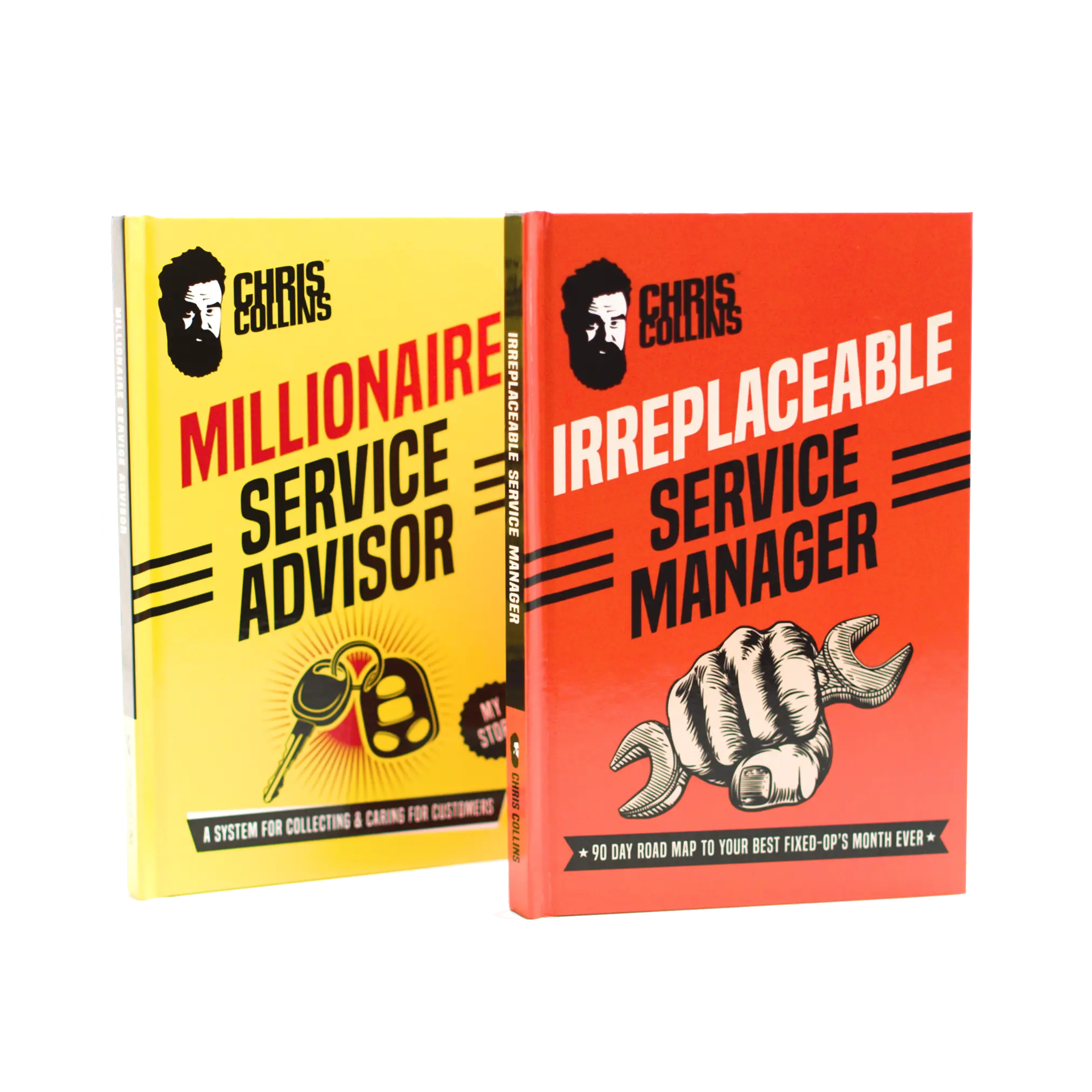
Achieving and exceeding your goals is possible when you have the right systems in place. With Service Drive Revolution OnDemand, you’ll gain access to the proven systems that have made thousands of SERVICE MANAGERS IRREPLACEABLE. Start transforming your department today!
Need help updating your playbook? Let us know how we can support your team’s growth.
Book a 15-minute strategy session with our team. We’ll explore how to unlock your dealership’s real value.