Staying compliant as a car dealership can feel like a full-time job on its own. Between navigating sales regulations, financial rules, and advertising standards, it’s easy to feel overwhelmed by all the moving pieces. And let’s not forget, even one small mistake can lead to fines, legal headaches, and damaged trust with customers.
Remaining ahead does not necessarily mean being impossible. Having a clear understanding of the dealership compliance standards, you will be able to keep your business safe, earn trust, and keep operations running efficiently. This blog walks you through the key compliance areas you need to know and offers practical insights to help you avoid common pitfalls. Let’s get started!

Key Takeaways
- Dealerships must maintain written security programs to protect customer names and Social Security numbers.
- Privacy Rule violations trigger $100,000 fines per incident and potential jail time for management.
- Federal guidelines require notifying the FTC within 30 days if a breach impacts 500 or more people.
- Every used vehicle must display a Buyer’s Guide, or the dealer faces $40,000 in penalties.
- Lenders must disclose APR and total costs without discriminating based on race, gender, or religion.
- Staff must file Form 8300 for cash transactions exceeding $10,000 to prevent money laundering.
- Upcoming 2026 regulations require risk assessments for AI and grant customers the right to delete records.
Protecting Customer Data and Privacy
Modern car dealerships handle a massive amount of sensitive personal information daily. Maintaining strict data security protocols is the only way to build lasting trust with your clients and avoid devastating legal penalties.
● Gramm-Leach-Bliley Act (GLBA)
The Gramm-Leach-Bliley Act (GLBA) requires your dealership to protect the nonpublic personal information of your customers. This includes names, addresses, phone numbers, and social security numbers. Under the Safeguards Rule, you must develop, implement, and maintain a comprehensive written information security program. This plan is designed to keep customer data safe from hackers and unauthorized access by performing thorough risk analyses and taking tangible security steps.
● Privacy Rule
The Privacy Rule dictates how your staff shares customer information during the credit or lease application process. You must ensure that customers understand exactly how their data is being shared with third parties. This involves providing clear disclosures about your collection and storage practices. Failing to follow these dealership compliance standards can lead to fines of up to $100,000 per violation for the business and potential prison time for individuals in charge.
● 30-Day Breach Notice
Transparency is vital when security fails. While general data privacy laws vary, federal guidelines and specific state updates often require prompt notification after a breach. If a data breach affects 500 or more people, businesses must notify the Federal Trade Commission (FTC) within 30 days of discovery to remain compliant. Such practice helps manage reputational damage and fulfills your ethical obligation to the community.
● Disposal Rule
The Disposal Rule is a federal regulation specifically targeting consumer reports. To prevent unauthorized access, your employees must use secure disposal methods like shredding paper files and permanently erasing digital records. These dealership compliance standards guarantee that personal information is never left disorganized or unaccounted for after it is no longer needed.
● Data Protection Officers
Many experts recommend that dealerships appoint a specific Data Protection Officer (DPO) to oversee compliance efforts. This officer is responsible for recording any data breaches and ensuring that data is only used for legitimate business purposes. Having a dedicated person for this role helps reduce human error, which is a common cause of data breaches.
Honest Sales and Advertising
Building a reputation for honesty starts with how you present your inventory and pricing to the public. Clear communication prevents misunderstandings and protects your business from the “bait-and-switch” accusations that often plague the industry.
● Used Car Rule
The FTC’s Used Car Rule is designed to stop deceptive practices during the sale of pre-owned vehicles. It mandates that dealers prominently display a “Buyer’s Guide” on the window of every used vehicle offered for sale. This guide serves as a written disclosure that ensures customers receive all material facts before they sign a contract.
● Buyer’s Guide Details
The information within the Buyer’s Guide must be specific and accurate. It must list detailed warranty information, provide a breakdown of major mechanical and electrical systems, and include an advisory suggesting the customer have the car inspected by a mechanic before purchase. Violating this rule can result in penalties exceeding $40,000 per violation.
● Honest Advertising
The FTC enforces strict truth-in-advertising standards across all platforms, including social media, TV, radio, and search engine ads. All claims you make must be truthful, backed by evidence, and not misleading in any way. Advertisements cannot be “unfair,” meaning they should not injure customers or violate public policies.
● Transparency in Costs
Modern sales teams must disclose all costs upfront to build trust. That means being transparent about fees and avoiding hidden charges or misleading interest rates. High-pressure tactics or omitting details about a vehicle’s history can lead to severe reputational damage and legal investigations.
Service departments also benefit from this level of transparency. In a recent Service Drive Revolution episode, Chris Collins suggests a “Repair Authorization” technique to handle diagnostic costs. By quoting likely costs for common fixes immediately, advisors prevent situations where customers cannot afford repairs after a shop already spent time on a diagnosis.
Also Read: Chosen Family and the Album That Changed Music
● Magnuson-Moss Warranty Act
The Magnuson-Moss Warranty Act protects consumers from deceptive warranty practices. If you offer a warranty on a vehicle or aftermarket part, you must provide the coverage details in a single, easy-to-read document. That information must be available at the point of purchase so the consumer can read it before buying.
Drive Profitability Through Better Service
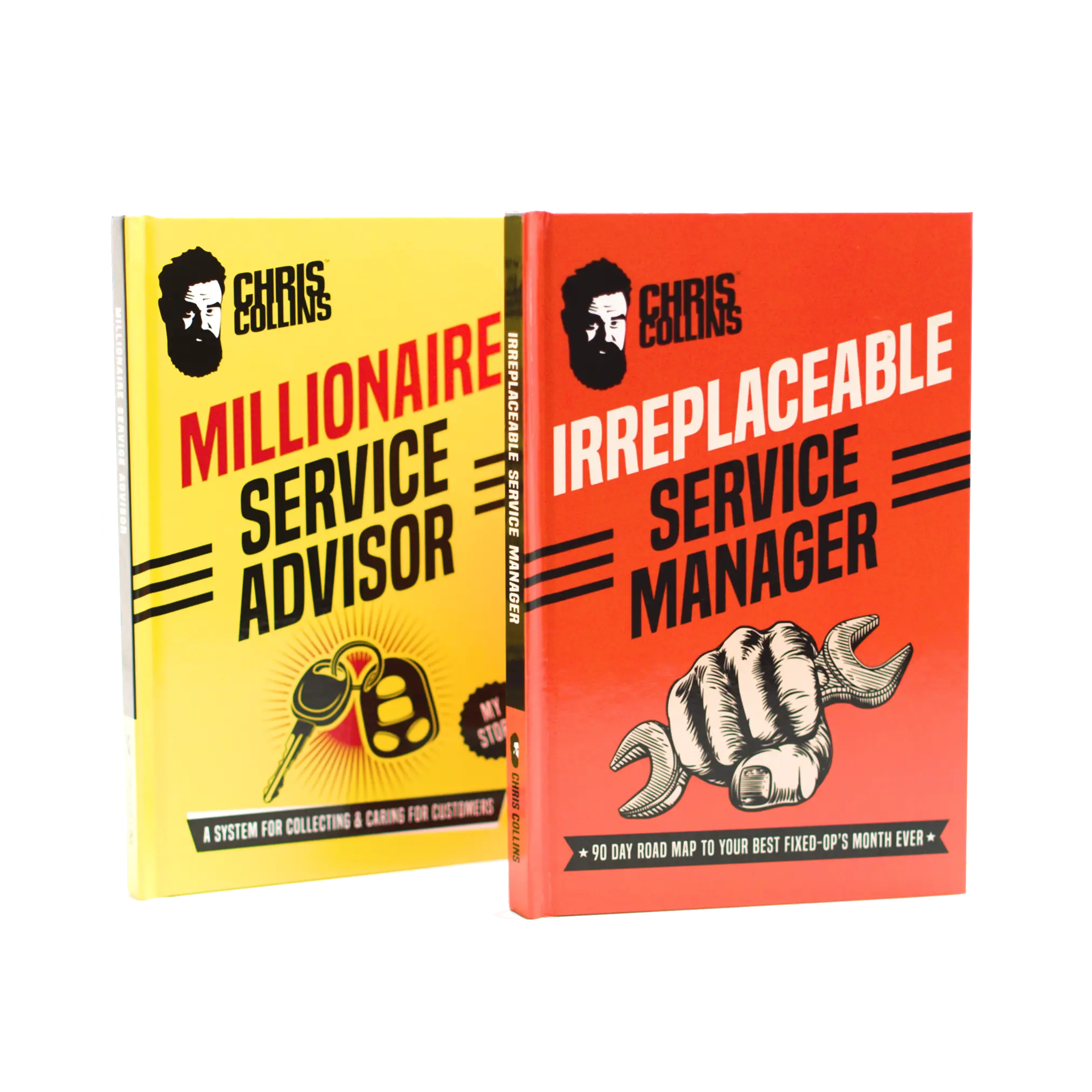
While sales transparency is vital, overall dealership sales have slowed as people keep their cars longer. You can diversify your revenue by focusing on Fixed Ops—the Service Drive, where repairs happen. Chris Collins Inc. specializes in coaching service managers and technicians to turn these departments into money-making machines.
Fair Financing and Lending Rules
Dealerships often act as lenders, which brings them under the umbrella of federal financial regulations. Fairness in lending ensures that every customer has equal access to credit based on their financial standing rather than their personal background.
● Truth in Lending Act (Regulation Z)
Regulation Z, which implements the Truth in Lending Act, requires creditors to disclose credit terms in a clear and meaningful way. You must clearly show the Annual Percentage Rate (APR), the finance charge, and the total sale price. These written disclosures allow customers to easily compare financing options between different institutions.
● Standard Terms
Consistency is a legal requirement in the finance office. All dealers must use standard words and expressions when discussing loan rates and terms. Using the same terminology across the industry prevents confusion and ensures that the “Total of Payments” and “Amount Financed” mean the same thing at every dealership.
● Equal Credit Opportunity Act (ECOA)
The Equal Credit Opportunity Act (ECOA) prohibits discrimination in the lending process. Lenders cannot refuse a loan or offer worse terms based on race, color, religion, national origin, gender, marital status, or age. This law applies to every part of the credit process, from the initial application to the final decision.
● Application Updates
Under ECOA, you are required to notify applicants of the outcome of their credit application. Whether the application is approved, denied, or countered with different terms, the customer must be informed. Maintaining records of these applications and notifications is a key part of staying compliant.
Security and Workplace Safety
A safe dealership environment protects both your physical assets and your human capital. Regulations in this category are designed to prevent financial crimes and ensure that your staff is prepared for emergencies.
● Red Flags Rule
The Red Flags Rule requires dealerships to have a written Identity Theft Protection Plan (ITPP). Your staff must be trained to spot suspicious documents or unusual changes in a customer’s credit report that might indicate identity theft. Being proactive in spotting these “red flags” is the only way to effectively stop fraud before it happens.
● Form 8300
To help the IRS and FinCEN prevent money laundering, dealerships must report large cash transactions. You must file a Form 8300 whenever you receive a cash payment of over $10,000. This includes single payments or related transactions that total more than the threshold.
● OFAC Checks
The Office of Foreign Assets Control (OFAC) manages trade sanctions against targeted groups, including terrorists and drug traffickers. Before finishing a sale, you must check customer names against the Specially Designated Nationals List. Selling a vehicle to someone on this list can result in massive federal penalties.
● OSHA Standards
Employee safety is regulated by OSHA under standard 29 CFR 1910.157. Almost every dealership is required to have a written Emergency Action Plan to organize employer and employee actions during workplace emergencies. This document must be prepared and accessible to protect your team and meet federal safety standards.
Advanced Privacy Laws for 2026
The landscape of data privacy is shifting rapidly as more states adopt laws similar to the California Consumer Privacy Act (CCPA). Staying ahead of these changes is no longer optional; it is a permanent shift in how modern businesses must operate.
● CCPA Risk Assessments
Starting January 1, 2026, updated regulations will require many businesses to conduct formal risk assessments before engaging in high-risk data practices. This includes activities like targeted advertising or processing sensitive personal information on a large scale. These assessments ensure that the benefits of the data processing outweigh the risks to consumer privacy.
● Automated Decisions
New 2026 rules also address the rise of Artificial Intelligence (AI). Dealerships will likely be required to notify customers if computers or automated systems are making major decisions about them, such as determining loan eligibility or pricing. Consumers may also gain the right to opt out of this automated decision-making process.
● Right to Delete
Under laws like the CCPA and GDPR, customers have the “right to be forgotten. That means a dealership must have procedures in place to permanently delete a customer’s personal info upon request. If a finance contract ends and the person is no longer a customer, you must be prepared to destroy their records securely.
● Global Privacy Control
Modern websites are now expected to honor Global Privacy Control (GPC) signals. These are signals sent by a customer’s browser that indicate a preference for privacy. Your dealership website should be configured to read these signals and automatically opt the user out of the sale or sharing of their personal data.
Also Read: Soundtrack To My Life: Billy Mann & Purple Rain
Frequently Asked Questions (FAQs)
Dealership compliance audits involve a systematic examination of internal processes and documentation to verify adherence to federal and state regulations. Auditors review sales contracts, financing paperwork, and data security protocols to identify legal vulnerabilities or operational gaps. Regular reviews help management correct errors and implement better controls before regulators or lawsuits intervene.
Auditors conduct physical inspections of showrooms and workshops to confirm alignment with brand identity guidelines. Professional examiners interview staff members and review customer databases to ensure dealership compliance standards with service protocols. Reporting teams analyze warranty claims and financial records to identify operational weaknesses or potential fraud.
The Safeguards Rule requires dealers to develop, implement, and maintain a comprehensive written security plan to protect customer information. It mandates defined administrative, technical, and physical protections like data encryption and multi-factor authentication for staff members. Dealers must designate a qualified individual to oversee the program and conduct regular tests to identify potential system vulnerabilities.
Bottom Line
There you have it! Staying on top of dealership compliance standards isn’t just about avoiding penalties—it’s about building trust with your customers and creating a more transparent experience. Every detail counts, from honest advertising to clear financial practices. If you found this helpful, consider sharing it with someone else in the auto industry. Let’s keep raising the bar for customer trust and fairness.
Achieving and exceeding your goals is possible when you have the right systems in place. With Service Drive Revolution OnDemand, you’ll gain access to the proven systems that have made thousands of SERVICE MANAGERS IRREPLACEABLE. Start transforming your department today!
Need help updating your playbook? Let us know how we can support your team’s growth.
Book a 15-minute strategy session with our team. We’ll explore how to unlock your dealership’s real value.