Running a car lot often feels like plugging holes in a leaky bucket when cash flows out just as fast as cars drive off the lot. Dealership owners face difficult financial choices involving inventory management, staff payroll, and daily running costs. Holding too many vehicles ties up your available funds, while tracking customer add-ons complicates the daily math. Lacking a clear financial plan means overspending happens quickly, threatening your long-term stability.
Drafting an accurate auto dealership budget fixes those daily headaches. A solid budget acts as a strategic blueprint, aligning your resources directly with your sales goals. It factors in all your fixed costs, variable expenses, and expected losses so you never have to guess where your money goes. Keep reading for straightforward steps to track cash flow, manage inventory costs, and protect your profit margins.

Key Takeaways
- Car dealerships maintain thin 1–2% profit margins, making detailed cost tracking and debt monitoring necessary.
- Success depends on cash flow speed, which improves by automating loan approvals and pursuing late payments.
- Data-driven inventory management prevents capital from being tied up in slow-moving or depreciating vehicle stock.
- Negotiating vendor contracts and adopting energy-efficient processes lowers daily overhead to boost overall profitability.
- After-sales services like financing, maintenance plans, and protection packages create recurring, high-margin revenue streams.
- Dealership Management Systems and digital marketing tools provide real-time insights to adapt to market shifts.
Mastering the Basics of Budgeting
The average net profit margin for a car dealership is tight, sitting around 1% to 2%. A solid budget acts as a roadmap for the year, helping plan for every dollar coming in and going out. Professional financial management starts with a systematic analysis of data to create stability.
● Track Every Cost
Detailed tracking must encompass both fixed bills and fluctuating monthly expenses. Managers should account for personnel, running costs, and adjustments for potential losses. Monitoring the debt-to-asset ratio provides a clear picture of financial leverage. A ratio of 0.5, for instance, indicates that half of the assets are financed through debt. Maintaining a lower ratio suggests a healthier position, as the business does not rely too heavily on borrowed funds.
● Set Clear Priorities
Prioritizing expenses based on importance helps teams stay within limits and avoid overspending. Every dollar spent should align with specific goals like increasing market share or enhancing customer satisfaction. Strategic budgeting always makes sure that resources are not wasted on activities that fail to generate leads or support expansion.
● Stay Flexible
Reviewing the budget frequently keeps the plan pertinent to shifting market demands. Leadership should adjust financial allocations based on the volume of cars actually sold and the arrival of new models. Understanding the competitive landscape and internal capabilities allows for proactive changes throughout the fiscal year. Constant assessment identifies whether the company is expanding or contracting over time.
Managing Your Cash Flow
A U.S. Bank study found 82% of small businesses fail from poor cash flow management. At its core, cash flow serves as the lifeblood of any dealership operation. Success depends on when capital actually hits the bank account rather than just the number of sales.
● Speed Up Paperwork
Processing sales documents immediately accelerates the arrival of cash. Automating the loan approval process simplifies documentation and improves the customer experience. Utilizing technology for online applications and instant credit decisions minimizes delays. Efficient paperwork management prevents revenue from being trapped in administrative cycles.
● Collect Payments Early
Issuing invoices promptly and aggressively pursuing past-due payments maintains a solid financial standing. Creating aging schedules helps track which payments are late and require immediate attention. Enforcing strict credit policies limits the risk of bad debt. Consistent follow-up ensures the business avoids potential bankruptcy by keeping money moving.
● Watch Interest Costs
Minimizing floor plan interest expenses preserves profit margins on every vehicle. Dealerships should negotiate better terms with lenders and refinance if interest rates improve. Pay-down strategies for aging inventory help reduce the amount owed on loans used to buy stock. Monitoring these interest charges closely prevents overhead from eroding the bottom line.
Smart Inventory Control
Keeping too many cars on the lot ties up cash, while too few can cost a sale. Striking a balance between supply and demand is a fundamental aspect of financial administration.
● Use Data to Buy
Data analytics software helps identify which models sell the fastest and which units are likely to linger. Analyzing customer preferences and market trends allows for a more efficient inventory mix. Using these insights to guide procurement ensures that resources are not tied up in excess stock. Data-driven decisions lead to higher returns on investment and optimized sales opportunities.
● The “Just-in-Time” Method
Adopting a just-in-time approach reduces carrying costs and minimizes storage fees. An ideal inventory should rotate roughly 15 times per year. Overstocking or understocking often leads to losses through increased maintenance costs or missed sales.
● Audit Your Stock
Regularly checking for aging inventory identifies cars that have sat too long and risk obsolescence. Monitoring the inventory turnover ratio helps teams adjust stock levels accordingly. Management can then implement targeted strategies to move slow-selling models. Proactive analysis prevents old units from draining financial resources through continued depreciation.
Cutting Operational Expenses
Small savings in daily operations lead to much higher profits over time. Managing overhead requires a disciplined approach to every cost incurred by the business.
● Negotiate with Vendors
Reviewing overhead often uncovers opportunities to renegotiate contracts with suppliers for parts and services. Owners should follow a “buy low, sell high” policy, particularly when sourcing used vehicles for resale. Securing favorable terms with vendors directly improves the procurement bottom line. Every negotiated discount contributes to enhanced overall profitability.
● Go Green
Employing energy-efficient equipment and processes reduces monthly utility bills. Simple changes in energy-saving initiatives across showrooms can lower high utility overhead. Targeted actions like optimizing showroom lighting or heating systems save money without sacrificing service quality. Sustainability efforts contribute to a more robust financial foundation.
● Automate Simple Tasks
Using software for invoicing and data entry saves time and prevents human error. Automating repetitive tasks frees staff to focus on strategic activities that add more value to the dealership. Modern tools reduce the need for manual processing, which streamlines the entire administration. These efficiencies lead to direct cost savings and improved operational effectiveness.
Boosting Profits Beyond Car Sales
Selling the vehicle is just the beginning. Real profit often comes from additional services and financial products offered after the initial transaction.
● Offer Financing Choices
Partnering with reputable banks allows dealerships to provide customized financing packages. Tailoring interest rates and repayment terms makes vehicle purchases more accessible to a diverse customer base. Offering competitive rates that match or beat other lenders can entice price-sensitive buyers. Flexible options increase the likelihood of closing sales and securing long-term revenue.
● Focus on After-Sales
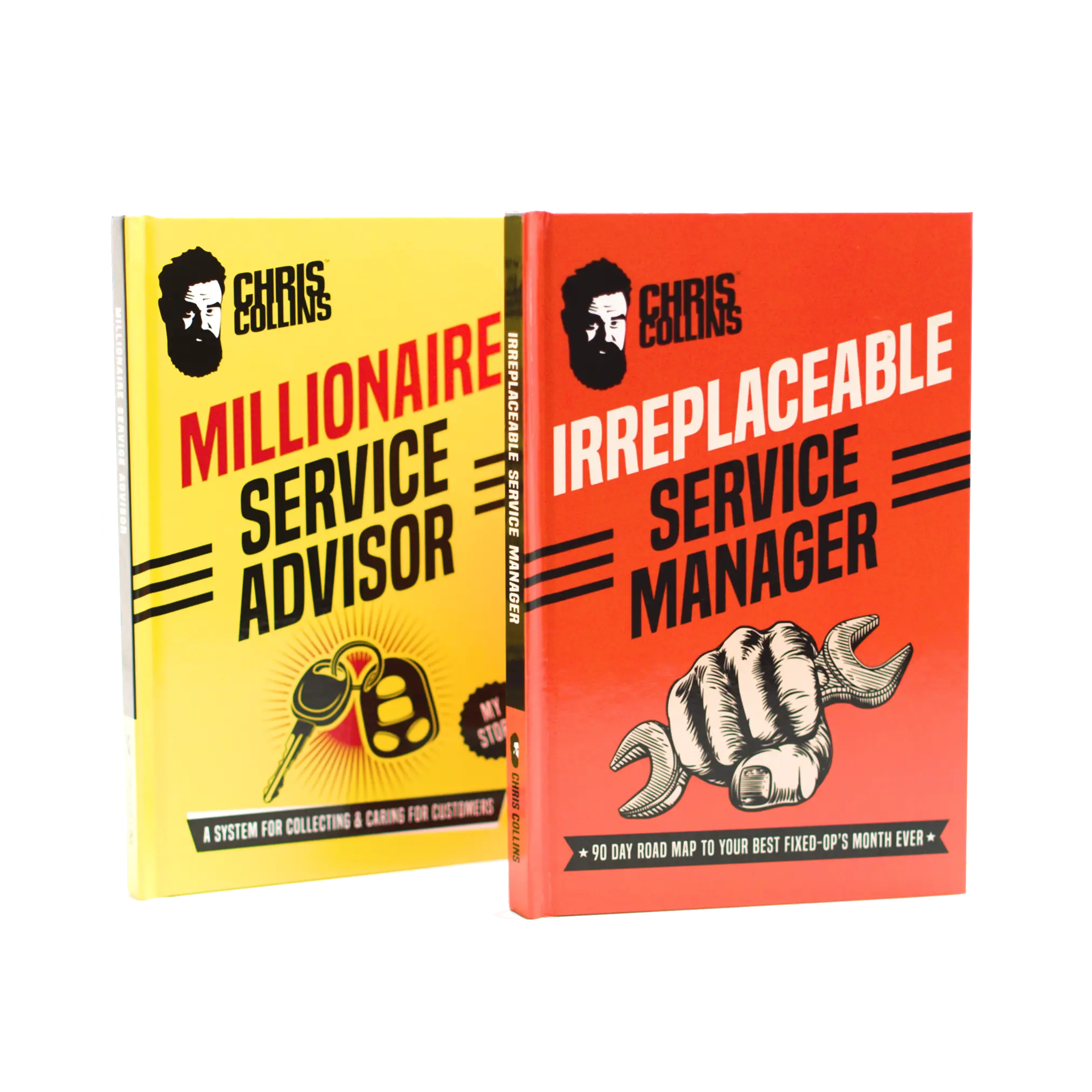
Building a strong service department provides opportunities for recurring revenue through maintenance packages. Chris Collins specializes in helping dealerships optimize their fixed operations, providing expert guidance on how to streamline processes, train staff, and deliver exceptional service. Services such as oil changes, tire rotations, and scheduled inspections keep customers returning to the dealership. Extended warranties offer protection against unexpected repairs while generating extra income. Without a doubt, reliable repair services build trust and encourage customer loyalty.
● Sell Add-Ons
A properly trained sales team executing a winning vehicle accessory strategy increases per-vehicle profitability. Finance and Insurance (F&I) products represent high-margin revenue streams. Bundling maintenance products with priority service or discounted rates encourages customers to opt for ongoing plans. Upselling additional features ensures the business maximizes the financial potential of every sale.
Using Technology as a Tool
Modern software can do the heavy lifting when it comes to tracking numbers. Technological advances have created systems capable of handling complex financial processes independently.
● Install a DMS
A Dealership Management System (DMS) optimizes all operations and reduces the risk of errors. This platform eliminates manual processing, which saves time for management. Implementing a DMS provides a centralized view of the entire business’s health. Such systems are foundational for ensuring effective financial administration.
● Digital Marketing
Recent research shows 95% of car buyers research online for an average of 14 hours. Knowing how to measure digital advertising ROI ensures maximum impact when using social media, email, and targeted ads to reach potential buyers. A strong digital presence enriches the customer database and improves brand visibility. E-commerce platforms provide data used to proactively make informed market decisions. Digital tools allow the business to stay ahead of the competition and adapt to industry trends like the rise of electric vehicles.
● Real-Time Reporting
Financial reports provide real-time insights into a dealership’s financial well-being. Dashboards allow leaders to review key metrics like gross profit and operating expenses daily. Quick identification of lagging sales or overspending enables immediate corrective actions. Turning data into actionable insights drives long-term success and sustainability.
Frequently Asked Questions (FAQs)
Managers analyze historical revenue data across all departments to project upcoming sales targets. They subtract projected fixed overhead and variable expenses from the forecasted revenue to establish clear profit goals.
Fixed expenses regularly include property rent, facility maintenance, property insurance, and base employee salaries. Variable expenses fluctuate with sales volume and typically cover salesperson commissions, marketing campaigns, and floor plan financing interest.
Holding unsold vehicles for extended periods directly increases floor plan interest payments and drains net profit. Turning inventory over quickly minimizes holding expenses and frees up capital for other business investments.
Dealerships implement strict purchase order systems to require management approval before any department spends company funds. Regular internal audits catch accounting errors early and prevent employees from exceeding their assigned monthly budgets.
Finance teams actively collect outstanding customer receivables and factory incentive payments to maintain strong daily liquidity. They balance immediate cash needs by scheduling vendor payments closer to their actual due dates.
Bottom Line
Indeed, creating an effective auto dealership budget isn’t just about crunching numbers—it’s about setting your business up for lasting success. A well-planned budget helps prioritize spending, manage resources wisely, and adapt to changing demands without losing sight of your goals. Whether it’s controlling expenses or investing in growth, a clear budget keeps your dealership running smoothly and profitably. Follow us for more insightful content!
Achieving and exceeding your goals is possible when you have the right systems in place. With Service Drive Revolution OnDemand, you’ll gain access to the proven systems that have made thousands of SERVICE MANAGERS IRREPLACEABLE. Start transforming your department today!
Need help updating your playbook? Let us know how we can support your team’s growth.
Book a 15-minute strategy session with our team. We’ll explore how to unlock your dealership’s real value.