Being a service advisor can feel overwhelming. Juggling customer concerns, technical knowledge, and tight schedules often leads to miscommunication, missed opportunities, and frustrated clients. Without the right skills, it’s easy to fall into a cycle of stress and dissatisfaction.
But there’s a way to change that. Through effective training, service advisors will be able to enhance communication, problem-solving skills, and customer relationships. The right tools and techniques can transform daily challenges into opportunities for growth and success.
If you’re ready to step up your skills and build a path to long-term success, keep reading. This blog covers everything you need to know about effective service advisor training in 2026.

Key Takeaways
- Simplify technical jargon to help owners understand the value of repair work.
- Advocate for the client throughout the journey to build lasting brand loyalty.
- Drive ethical profit by recommending legitimate maintenance that protects vehicle longevity.
- Manage the service workflow to minimize delays and maintain shop productivity.
- Perform vehicle walk-arounds with customers to verify conditions and identify potential issues.
- Offer tiered “good, better, best” solutions to empower informed customer choices.
- Provide proactive text updates to reduce anxiety and increase satisfaction.
- Use digital inspection tools with photos to improve repair approval rates.
- Master emotional intelligence to remain calm during high-pressure customer interactions.
- Apply customer feedback to refine processes and raise service scores.
4 Pillars of a High-Performing Service Advisor
Moving from a standard level of performance to an elite status requires a focus on four specific areas. The foundations provide a base for professional service advisor training, growth and increased dealership success.
● Technical Translator
You must act as a translator for complex mechanical or electronic issues. Most customers do not understand technical jargon or “mechanic-speak”. Your job is to simplify the information so the vehicle owner understands what is wrong and why the repair is necessary. Instead of only naming a part, explain the value of the fix. For instance, if a suspension part is worn, describe how the new part keeps the steering precise and prevents uneven tire wear. Clear explanations help the customer feel safe and informed rather than confused or intimidated.
● Customer Champion
An elite advisor manages customer expectations from the first greeting to the final hand-off. You advocate for the customer while staying aligned with the dealership’s internal processes. The goal is to create a transparent and positive experience that builds lasting trust. By handling the relationship with care, you ensure the client feels supported throughout the entire repair journey. Statistics show that 73% of customers cite a positive experience as a key driver of brand loyalty.
● Profit Driver
Top performers understand that the service department often generates half or more of the dealership’s total profit. You act as a profit driver by maximizing the value of every repair order through ethical advising. The focus is not on pushing unnecessary services but on recommending legitimate needs that improve vehicle safety and longevity. Professional advice on real maintenance needs protects the vehicle and increases the shop’s revenue.
● Process Owner
Efficiency and accuracy are mandatory for success. You must own the entire service process, managing the workflow from the initial write-up to the final quality check. Taking charge of the process prevents common errors and reduces delays for the customer and the technician.
Thus, a smooth hand-off between departments ensures the shop stays productive and profitable. To implement these systems with high accountability, consider utilizing Service Drive Revolution: On-Demand Training, which offers proven strategies to get departments in sync.
Mastering Communication and the Customer Experience
Communication skills serve as the most effective tool for building rapport and ensuring customer satisfaction.
● Active Listening
Building trust starts with active listening techniques. Show the customer you are paying attention by nodding and repeating their specific concerns. Ask clarifying questions to ensure you fully understand the issue before writing the repair order. Proper documentation in the customer’s own words helps technicians diagnose problems faster.
● The Perfect Walk-Around
The vehicle walk-around is a required diagnostic step. Perform a quick inspection to note the mileage, check for warning lights, and look at tire wear or visible damage. Engaging the customer during the walk-around allows you to point out potential issues together. The physical check verifies the car’s condition and prevents future disputes regarding pre-existing damage.
● The Power of Positive Language
The words you choose shape how a customer perceives the service. Use benefit-driven language that focuses on five key areas: safety, performance, convenience, value, and peace of mind. Instead of using negative phrasing, focus on the positive outcome of the service. Rephrasing a statement to highlight long-term cost savings or reliability helps the customer see the benefit of the work.
● Step-by-Step Excellence
Following a structured process ensures a high standard for every interaction. Use a checklist for the six steps of service:
- Greet the customer warmly.
- Understand the specific needs and concerns.
- Present professional solutions and recommendations.
- Address any questions or concerns the customer has.
- Close the sale by obtaining clear approval.
- Follow up after the service is complete to ensure satisfaction.
Ethical Sales and Maximizing Revenue
Shifting the mindset from “selling” to “advising” builds long-term loyalty and increases the value of repair orders.
● The “Good, Better, Best” Format
When you present findings, offer solutions in a “good, better, best” format when possible. Providing different tiers of parts or service packages empowers the customer to make an informed choice based on their budget and needs. The approach reduces the feeling of being pressured and increases the likelihood of approval.
● Using Multi-Point Inspections (MPI)
The multi-point inspection is the primary tool for identifying legitimate service opportunities. Use the results of the MPI to update the customer on the health of the vehicle. Advisors who use digital inspection tools with photos and videos often see higher approval rates. Prioritize recommendations by safety, reliability, and maintenance to help the customer decide what needs immediate attention.
● Handling Objections with Confidence
Prepare and rehearse scripts for common concerns, especially regarding the price of repairs. When a customer raises an objection, use empathy to understand the source of their concern. Address the emotions first before discussing the technical details or costs. Projecting confidence through your language helps resolve conflicts and builds trust in your recommendations.
● Proactive Loyalty
Anticipating future needs helps minimize deferred maintenance and keeps the shop busy. Use storytelling to explain why maintaining the relationship with the dealership is beneficial, especially as a warranty ends. Make outgoing calls to rebook appointments for items the customer declined during a previous visit. You can also identify other vehicles in the household that may need service to expand your customer base.
Also Read: Finance Strategies That Boost Auto Sales Margins
Operational Excellence and Time Management
Efficiency in the service lane ensures the staff stays productive and the customers remain informed.
● Writing Perfect Repair Orders
The repair order must be detailed and clear. Use a “concern-cause-correction” format so the technician understands the request without ambiguity. Accurate notes reduce the time spent on diagnostics and prevent the vehicle from returning for the same issue. Clear documentation also helps in providing an itemized and accurate estimate for the customer.
● Proactive Updates
A lack of information is a major cause of customer dissatisfaction. Send a quick text or call to update the customer on the progress of the car before they have to ask. If there is a delay or a change in the cost estimate, inform the customer immediately. More than 60% of consumers choose text messages when they want to receive progress reports from companies. A majority of buyers favor SMS alerts to stay informed about order status or service changes.
● Strategic Scheduling
Staggering appointments prevents bottlenecks in the service lane. Strategic scheduling ensures that every customer receives the necessary attention during the write-up process. Use appointment tools to manage the daily workflow and prevent the staff from becoming overwhelmed during peak hours.
● Leveraging Technology
Utilize the dealership’s CRM and DMS to track service history and customer preferences. Digital tools allow you to share photos or videos of needed repairs directly with the customer’s phone. Electronic records help you provide personalized reminders and tailored maintenance plans that keep the client coming back.
MORE ON AUTOMOTIVE INNOVATION
V2X Communication Technology and Connected Cars
Continuous Growth and Development
The role of a service advisor is a launchpad for a long-term career in the automotive industry.
● Ongoing Service Advisor Training
Investing in your development is necessary for long-term growth. Attend workshops or take online courses that focus on modern challenges, such as digital customer communication and technical trends. Look for programs that offer actionable strategies relevant to your specific market. Continuous learning improves your diagnostic accuracy and professional confidence.
Pro Tip: Advisors who want to stop being reactive and start being proactive can join the Signature Coaching Group. The program provides leadership and accountability coaching to skyrocket profits and customer satisfaction.
● Developing Emotional Intelligence (EQ)
The ability to manage your own emotions and the emotions of the customer is a required skill. High emotional intelligence helps you remain calm under pressure and project a professional image. Practice empathy to understand the customer’s perspective, especially during stressful situations like expensive repairs or delays. Mastering conflict resolution helps you manage disagreements diplomatically.
● Seeking Feedback
Encourage customers to share their honest feedback about the service experience. Use the information to identify areas where the process can be improved. A single 5-star review can increase a dealership’s lead conversion by up to 270%. High CSI scores are a direct result of listening to the customer and refining your approach based on their needs.
Also Read: Data Risks in Dealerships: Managing Privacy Better
Frequently Asked Questions (FAQs)
Proficient communication drives every interaction with a client. Professionals balance technical knowledge with the ability to explain repairs in plain language. Strong organizational habits help manage multiple repair orders while keeping customers informed about vehicle status.
An automotive service advisor acts as the primary link between car owners and the technicians performing the repairs. They manage the entire intake process by documenting mechanical issues and providing accurate cost estimates. Based on the standard service advisor training, the role involves coordinating parts and labor to ensure the vehicle returns to the road safely.
Trusted advisors prioritize active listening to make sure that clients feel heard and acknowledged during every interaction. Empathy allows professionals to connect with people on a personal level by recognizing their feelings and concerns. Developing likability helps build immediate rapport and creates a comfortable environment for long-term relationships.
A good service advisor creates a positive experience by catching customers at appropriate times for detailed discussions. They explain the benefits of dealership expertise and factory-standard parts compared to independent shops. Providing options for preventative maintenance helps clients save money over time and improves satisfaction.
Bottom Line
Investing in service advisor training isn’t just about learning new skills—it’s about making every customer interaction smoother, faster, and more reliable. Whether you’re aiming to boost customer satisfaction, increase sales, or grow your career, the right training gives you an edge in a busy, competitive industry. If this resonated with you, feel free to share it with someone who might find it helpful. Together, we can raise the bar for service excellence.
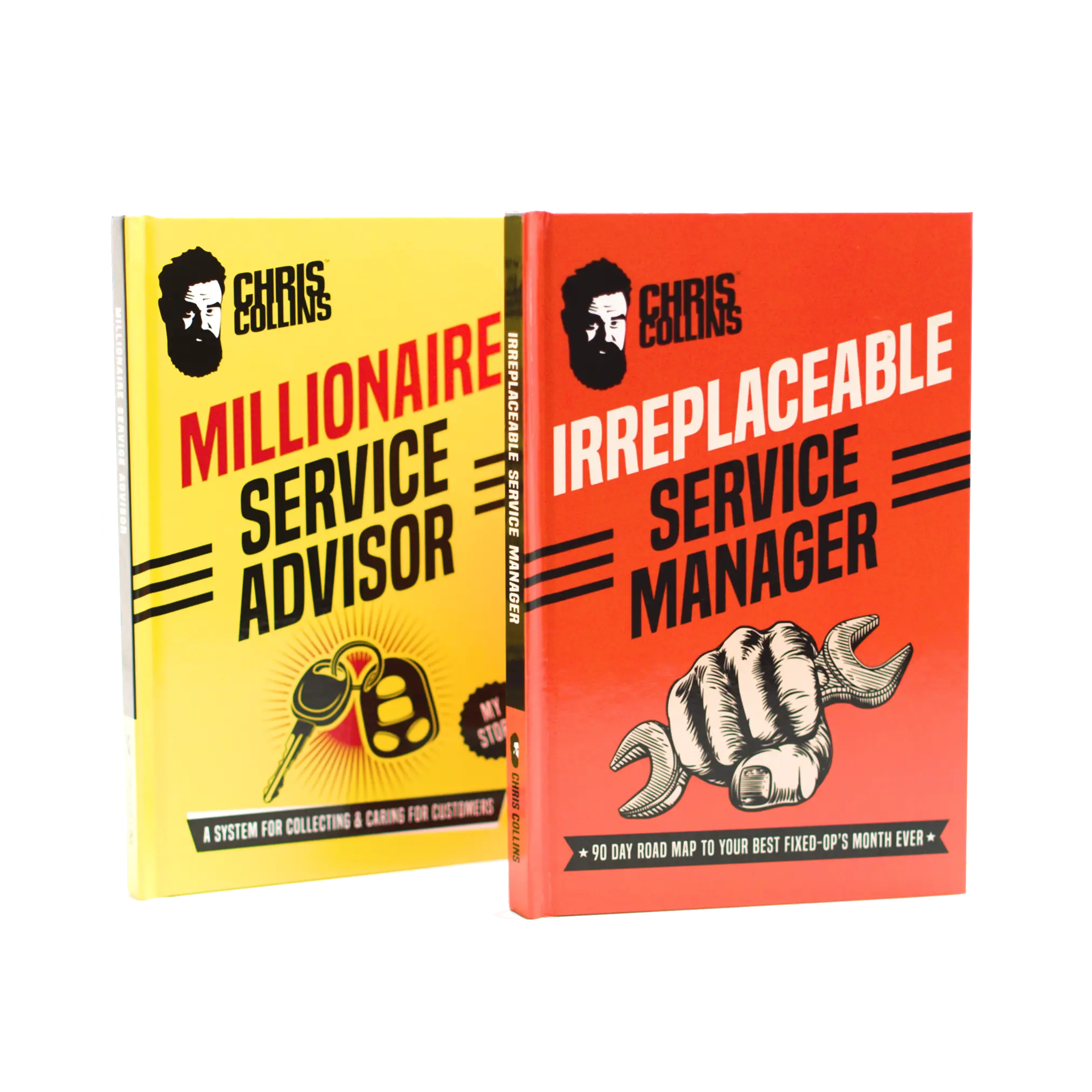
Achieving and exceeding your goals is possible when you have the right systems in place. With Service Drive Revolution OnDemand, you’ll gain access to the proven systems that have made thousands of SERVICE MANAGERS IRREPLACEABLE. Start transforming your department today!
Need help updating your playbook? Let us know how we can support your team’s growth.
Book a 15-minute strategy session with our team. We’ll explore how to unlock your dealership’s real value.