Running a service department often feels like putting out fires all day long. Managers easily fall into the habit of just maintaining the status quo. You spend your time focusing entirely on organization, planning, and execution. Such an approach gets the daily tasks done, but it leaves your team feeling uninspired.
The fix requires a clear shift from basic management to true service manager leadership. You must step up to provide vision and drive change. Giving your team members the trust to take ownership of their roles builds accountability. That mindset motivates your staff to go beyond basic expectations and encourages genuine growth.
Keep reading to find actionable strategies you can use right away to handle your operations and inspire your entire team.

Key Takeaways
- Leaders build positive workplaces by modeling good behavior, encouraging teamwork, and celebrating staff wins.
- Successful professionals balance daily management tasks with future-focused vision and employee coaching.
- Micromanaging and poor communication destroy trust, while balanced workloads keep operations running smoothly.
- Tracking three to five key performance indicators provides objective data to guide business decisions.
- A structured service workflow prevents chaos by mapping customer paths and balancing daily schedules.
- Prioritizing thorough work over speed prevents costly errors and protects customer retention.
- Regular short training sessions and continuous personal development keep both the team and leadership growing.
Building a Winning Team Culture
Success begins with the team environment. A positive shop happens because a leader makes a choice to build it. Supporting the well-being of the crew creates the base for great work. Research shows that workplaces with toxic cultures experience a 10.4% higher turnover rate.
● Check the Current Vibe
Audit the culture before making changes. Look at the mindsets and beliefs the staff holds right now. Do the values of the workers match the values of the business? Set up a meeting for an open talk about the atmosphere. Listen to honest thoughts and use those ideas to fix the department. Workers must love the shop before the customers will. Thus, honest feedback identifies a path for a better environment. Find any toxic parts of the culture and make a plan to remove them.
Audit the culture before making changes. Workers must love the shop before the customers will. Companies with high employee engagement are 21% more profitable than those with poor morale. Find toxic parts of the culture and make a plan to remove them.
● Encourage Teamwork
Success links directly to the hard work of the group. Build a space where people feel safe to speak. Value different ideas. Listen to the people on the floor and trust the skills they bring to the job. Trust and respect lead to a feeling of ownership. When people own their work, they reach the goals of the shop together.
● Show the Way
Actions say more than words ever will. Leaders must act out the values they want to see in the crew. Show accountability and stay open about decisions. Be professional and work with integrity to earn the respect of the staff. Set a high bar for punctuality and customer care. Show these behaviors every day without fail.
● Celebrate Wins
Acknowledge the hard work of the team to keep motivation high. Recognition builds a happy workspace. Organizations with formal recognition programs experience 31% lower voluntary turnover than those without. Use a rewards program to highlight both single people and the whole group. Say thank you during morning meetings. Use formal awards, like an employee of the month, to show value. As cliché as it may sound, positive feedback makes people want to work harder.
Leading vs. Managing
Knowing the difference between these two roles is required for anyone in charge of a shop. Managers handle the daily tasks while leaders drive the group toward a better future. A person in this role must do both to succeed.
● Managing the Basics
Management keeps the current situation stable. The focus stays on organizing, planning, and getting things done. This role makes sure processes run without hitting snags. It involves the daily list of chores that keep the doors open. Focus on doing things right to keep the business moving.
● Leading with Vision
Leadership is about the future and making changes. Motivate the team to go past the minimum requirements. Focus on doing the right things rather than just following a list. Create a clear vision of what success looks like for the department. Write a vision statement that lists the goals and values of the shop. Let the staff help build this vision so they feel they own the result.
● Coaching for Growth
Guide the crew toward better behavior and a sense of ownership. Data indicates that employees lacking adequate recognition are twice as likely to quit their jobs. Use active listening and show empathy when talking to the staff. Make the shop a safe place for people to share worries and new ideas. Identifying a problem area in the shop is the first step. Explain why a change is needed and how it helps the customer and the team.
● Handing Over the Reins
True leaders give the team the tools and trust to make choices. Letting people own their roles builds accountability. Set up a program where staff can lead specific projects. Taking on leadership roles builds confidence and prepares people for the future. Identify the strengths of each person and give them a chance to grow. Let them take on tough projects and give them helpful feedback.
Common Coaching Mistakes to Avoid
Even the best leaders sometimes stumble when trying to guide their staff. Small errors in judgment can lead to big problems in the shop.
● The “Micromanagement” Trap
Focusing only on tiny tasks stops growth. When a manager only cares about processes, they miss the chance to inspire change. Staff members who feel watched every second stop taking the initiative. It costs U.S. companies roughly $398 billion annually in lost productivity. Trust the crew to make decisions on their own. Focus on the person, not just the task, to help the team improve.
● The “Ghost” Manager
Only talking to the team when a mistake happens is a fast way to lose trust. Communication is the foundation of a good department. Schedule one-on-one meetings regularly. Use the time to listen to ideas and concerns. Active listening helps create a space where everyone feels they have value.
● Ignoring the “Middle Child” (Internal Work)
A department needs a balance between internal, retail, and warranty jobs. Focusing only on retail work while letting other tasks sit creates a mess. Set clear rules for what work comes first. Use a visual chart to show how different tasks move through the shop. This chart helps the team see the structure and cuts down on confusion. Balancing these different types of work makes the shop more efficient.
Using Data to Drive Results
Numbers are an ally in the shop. Facts should guide decisions rather than gut feelings. Data provides a clear look at how the department is really doing. Tracking the correct fixed ops metrics your dealership needs for 2026 keeps the service lanes highly profitable and prevents guessing. Tracking hours per repair order and effective labor rate reveals true productivity.
● Pick the Right Numbers
Do not get lost in too many metrics. Focus on the KPIs that matter most. This usually means tracking three to five key indicators. Look at customer satisfaction scores, repair times, and how much the technicians get done. A balanced scorecard keeps the focus on money, growth, and the customer.
● Track Progress
Use a dashboard to keep an eye on the numbers. Show the progress to the whole team to build accountability. Metrics act as a compass to guide the shop. Review these numbers with the group so everyone knows how they help the shop win. KPI Performance Metrics reveal that tracking the right data gives the department direction.
● Be Objective
Encourage the crew to look at data instead of making guesses. Use metrics to find out where the shop can improve. Informed choices lead to more profit and better efficiency. Relying on objective facts helps solve problems faster.
Mastering the Service Workflow
A logical cycle prevents chaos and helps the shop run well. The cycle gives the team a path to follow and makes things clear.
● Follow the Cycle
Map out the path a customer takes from the start to the end. Look for spots where things slow down or break. Fixing these bottlenecks ahead of time separates the best shops from the rest. Involve the whole crew in mapping the process so everyone knows their part. A smooth flow leads to a better experience for the customer.
● Balance the Load
Handle different work types with a plan. Internal, retail, and warranty work all have different needs. Use a flexible system to fit all these tasks together. Train the team to prioritize work so operations stay smooth. A structured flow boosts how much the shop can produce.
● Smart Scheduling
Time management is about making the shop profitable. Compare what the shop does now with the best ways to work. Give enough time for consultations and do not overload the technicians. A balanced schedule considers quality and speed. Remember this: if time is not managed, nothing else is managed.
Quality and the Customer Experience
Speed and efficiency are good, but quality is the line that must not be crossed. Rushing leads to errors that hurt the shop’s profits and the customer’s trust. Poor experiences carry high costs, with 61% of shoppers switching to a competitor after just one bad interaction.
● Quality Over Speed
Teach the crew why thorough work is better than fast work. Talk about the long-term gains of doing a job correctly the first time. Value quality even if it takes more time. Cutting corners never saves time in the long run. Look for spots where quality is being traded for speed and fix them.
● Handle Emotions with Care
Tough interactions with customers will happen. Manage emotions and look for a solution. Do not let sympathy get in the way of making a good business choice. Set up a plan for how to talk to angry or upset customers. Practice these moments with the team to build emotional control.
● Understand Different Needs
Different people have different expectations. Grouping customers by what they need allows the shop to fix their specific problems. Create personas for the main types of clients who visit. Build value by offering services that fit those specific people. Increasing customer retention by just 5% can amplify profits by 25% to 95%.
Continuous Learning and Improvement
Training is a chance for the shop to grow. The industry changes fast, so the team must be ready. Automotive continuous training is the key to growth, ensuring technicians and advisors do not fall behind on modern standards. A commitment to learning helps a manager stay ahead.
● Quick Training Sessions
Set aside time every week for short training. Pick topics that help the crew right away and get them to join in. These 15-minute drills can cover customer service or new tech updates. Continuous education is vital in the car world. Set aside a budget for workshops and online classes. Giving the team a chance to learn pays off, as 94% of employees stay longer at companies that invest in their career growth.
● Never Stop Growing
Leadership is a journey without a finish line. Learning and leadership need each other to work. Set personal goals for every quarter to get better at the job. Seek out a mentor or attend a workshop to build new skills. Network with other managers to share what works.
● Professional Optimization
Firms like Chris Collins Inc. specialize in training service department employees and managers to overcome obstacles to profitability. They accomplish results by identifying areas for improvement, finding new revenue streams, and improving customer service. Dealerships optimize fixed operations and train staff through expert guidance.
Frequently Asked Questions (FAQs)
Service managers require leadership training to effectively guide teams of technicians and resolve escalated customer concerns. Mechanical expertise alone fails to provide the communication and conflict resolution abilities required to run a profitable service drive.
Strong management creates a supportive shop environment that reduces technician turnover and increases daily repair volume. Educated leaders set clear performance targets and hold staff accountable, generating faster turnaround times and higher customer satisfaction scores.
Managers allocate their hours efficiently by delegating routine administrative tasks to service advisors and trusted support staff. They intentionally schedule dedicated blocks of time for technician mentoring and shop floor observation rather than reacting blindly to every minor interruption.
Bottom Line
Indeed, transforming a standard automotive repair shop into a high-performing team requires more than just tracking metrics or scheduling appointments. Exceptional service manager leadership actively shapes a positive workplace culture and inspires technicians to deliver outstanding customer experiences. When you empower your employees and focus on continuous development, your entire department will surely thrive in the modern, competitive environment. We hope you found the insights and strategies useful for your daily operations. Stay tuned for more!
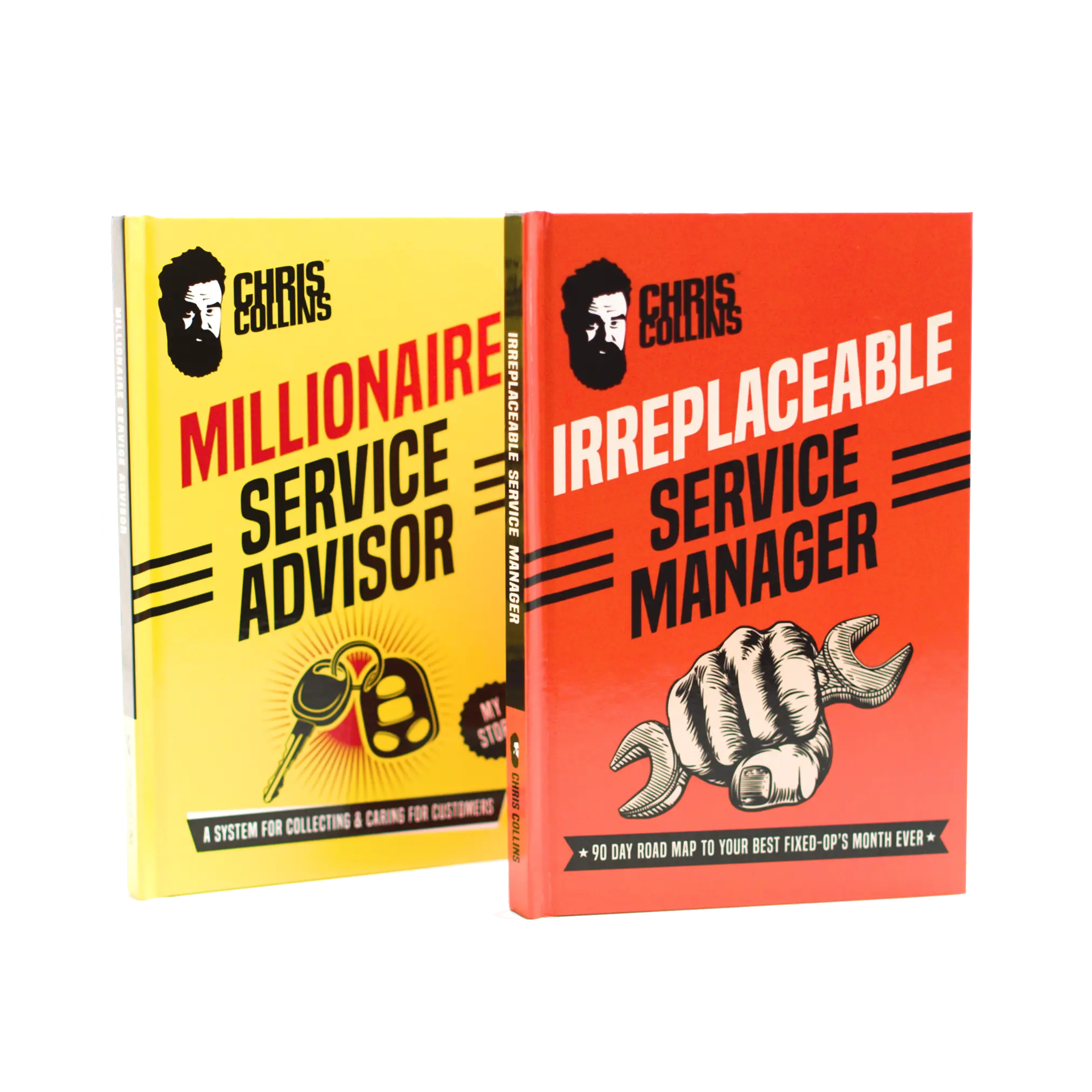
Achieving and exceeding your goals is possible when you have the right systems in place. With Service Drive Revolution OnDemand, you’ll gain access to the proven systems that have made thousands of SERVICE MANAGERS IRREPLACEABLE. Start transforming your department today!
Need help updating your playbook? Let us know how we can support your team’s growth.
Book a 15-minute strategy session with our team. We’ll explore how to unlock your dealership’s real value.