
Shopping for a car can be complicated—not just for buyers but for dealerships too. Outdated price tags, manual updates, and inconsistent information create confusion and frustration on both sides. It’s tough to compete when pricing systems are slow and inefficient.
Digital vehicle pricing offers a better way. With it, dealerships can instantly update prices, display detailed information on special offers, and keep everything consistent across displays. It’s faster, easier, and provides a transparent customer experience. Want to know more? Let’s get started and see how this simple change can improve satisfaction, streamline operations, and boost sales.
Key Takeaways
- Dynamic pricing adjusts vehicle costs in real-time based on current market demand, competition, and inventory levels.
- Electronic shelf labels automate the pricing process, reducing labor costs and eliminating manual display errors.
- Digital tags synchronize online and showroom prices to ensure transparency and build customer trust.
- Interactive features like QR codes allow shoppers to access vehicle histories and technical specs on their smartphones.
- Data-driven strategies and modern displays help dealerships optimize profit margins and increase inventory turnover.
What is Dynamic Pricing?
Modern car dealerships operate in a landscape where traditional, static pricing models often fail to meet the needs of a fast-paced market. Dynamic pricing, frequently referred to as demand-based or real-time pricing, represents a strategic shift toward flexibility. Instead of keeping a vehicle’s price fixed for weeks or months, this approach allows for real-time adjustments based on current market conditions. By moving away from rigid price tags, businesses can stay agile and respond to the constant shifts in supply and demand that define the automotive industry.
Several key factors drive these pricing fluctuations. Dealerships analyze competitor rates, consumer behavior, and current inventory levels to determine the most effective price point at any given moment. For example, if a specific model is in high demand, prices can be raised to capture its true market value. Conversely, if inventory is sitting too long on the lot, prices can be lowered to stimulate interest and maintain a healthy cash flow. This strategy guarantees that every vehicle is priced to reflect its immediate worth in the eyes of the consumer.
How Electronic Price Tags (ESLs) Work
Transitioning to a dynamic model requires specialized hardware to bridge the gap between digital data and the physical showroom floor. Electronic price tags, or Electronic Shelf Labels (ESLs), serve as the essential infrastructure for this modern pricing revolution.
● Instant Updates
Digital tags empower dealership staff to modify pricing across an entire inventory in seconds from a single, central computer. This automation removes the need for employees to manually print and swap paper labels every time a market shift occurs.
● High-Tech Displays
Most of these devices utilize e-ink technology, similar to what you might find on an e-reader. This choice of display ensures high resolution and easy readability even in bright showroom lighting.
● Visual Variety
Tags are available in multiple sizes to accommodate different levels of detail, such as financing terms or technical specs. Many models also support distinct colors like red or yellow, which are perfect for highlighting special promotions or limited-time discounts.
Major Benefits for Dealerships
Implementing this technology provides a range of operational advantages that directly impact the bottom line. Modernizing how information is displayed lets dealerships transform their pricing from a static chore into a proactive sales tool.
● Higher Profits
Dynamic pricing enables businesses to extract maximum value from their current inventory. Just by setting optimal prices that align with perceived market value, dealers ensure they aren’t leaving money on the table during periods of high demand.
● Moving Cars Faster
Inventory management becomes much simpler when prices can be adjusted on the fly. If a specific vehicle remains unsold for too long, the price can be lowered instantly to attract budget-conscious buyers and improve inventory turnover.
● Zero Human Error
Digital labels eliminate the risk of staff placing the wrong price on a sticker. Manual updates can drain up to 50 hours of labor per week for a typical retailer, creating many chances for mistakes. Accuracy builds professional credibility and prevents financial losses.
● Saving Money
While adopting this technology involves an initial investment, it generates long-term savings by cutting out the recurring costs of paper, ink, and manual labor. Staff can be redirected toward higher-value tasks, like engaging with customers, rather than spending hours updating labels.
Also Read: Smart Dealership Finance for Sustainable Growth
Improving the Customer Experience
Beyond the technical benefits for the business, these digital tools significantly enhance how buyers interact with the dealership. A modern, transparent display system fosters trust and makes the car-buying process feel more intuitive and tech-forward.
● Price Consistency
Omnichannel consistency is vital because 92% of buyers research vehicles online before visiting a lot. ESLs facilitate real-time synchronization, ensuring the price a visitor sees on the physical vehicle matches the one they saw on the company website.
● Interactive Info
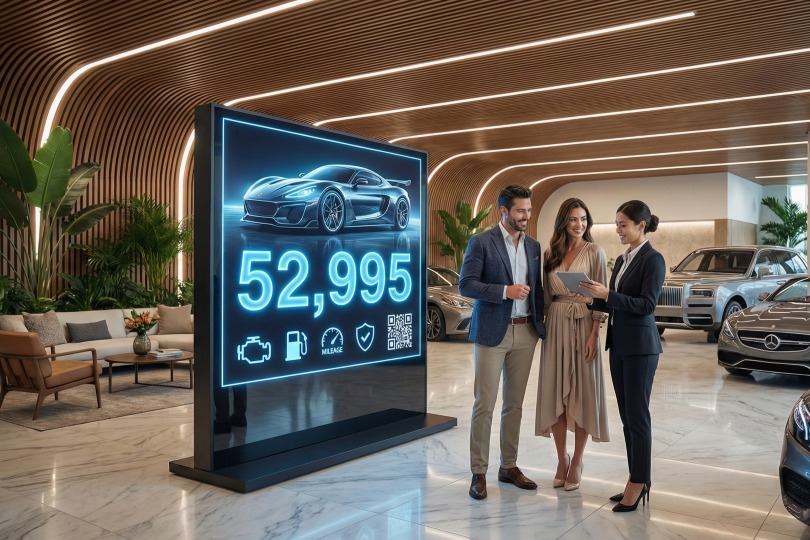
Modern tags often feature QR codes that customers can scan to access detailed vehicle histories, expert ratings, or full technical specifications on their smartphones. This empowers buyers to perform their own research while standing right next to the car they desire. Did you know? Roughly 90% of shoppers expect a seamless transition from online research to the physical showroom.
● Transparency
Electronic displays make it easy to clearly distinguish between the “List Price” and a “Special Offer”. Providing this level of clarity helps build a stronger emotional connection with the buyer by making the negotiation process feel more straightforward and honest.
Maximize Your Fixed Operations Opportunity
While dynamic pricing moves the metal on the front end, your service drive is the engine that keeps the dealership profitable when sales are down. Chris Collins Inc. specializes in helping dealerships optimize their fixed operations, providing expert coaching to streamline processes, train staff, and deliver exceptional service. Whether you need to boost customer retention or skyrocket your profits, our Signature Coaching Group offers a flexible, revolutionary approach to turning your service department into a money-making machine. Book your 15-Minute Opportunity Analysis today or call +1 (800) 230-5165.
Modern Strategies for Success
To fully leverage the power of dynamic pricing, dealerships should adopt specific techniques that reflect the complexities of the modern automotive market. Utilizing data-driven insights allows for more precise adjustments than simple guesswork.
● Time-Based Pricing
This strategy accounts for temporal factors like seasonality or holidays. A dealership might lower the price of a convertible during the cold winter months to stimulate demand, while raising the price of 4WD SUVs to align with higher market needs during the same period.
● Competitor Matching
Success in a cutthroat market requires competitor-based pricing. By tracking local rivals in real-time, a dealership can match or strategically undercut their prices to remain the most attractive option for informed shoppers.
● Smart Analytics
The most advanced dealerships utilize predictive analytics and machine learning to stay ahead of the curve. These algorithms analyze massive amounts of data to forecast customer behavior and identify optimal pricing thresholds before a buyer even steps onto the lot.
Also Read: Boost Fixed Operations in Dealerships Using Tools
Innovative Showroom Displays
The physical environment of the dealership is evolving into an interactive brand theater. Digital shelf labels are just one part of a larger ecosystem that includes video walls, modular stands, and sensory design. Effective displays no longer just show cars. They tell stories and build a lifestyle narrative that resonates with the brand’s identity.
Digital signage has redefined showroom communication by allowing for instant updates to promotions and vehicle launches. Besides a vehicle, screens can visualize complex engine components or safety simulations, turning technical specs into engaging stories. Modular display stands also provide the flexibility to quickly reconfigure the layout for special events or new campaigns.
Customer interaction zones further bridge the gap between digital research and the physical experience. These areas allow visitors to digitally configure their dream car or test virtual driving environments. When these high-tech visual elements are combined with smart pricing, dealerships create a seamless journey that guides a customer from curiosity to a final sale.
MORE ON AUTOMOTIVE INNOVATION
The Rise of AI-Powered Infotainment in Modern Vehicles
The Path Forward
Adopting dynamic pricing and electronic labels is no longer just an option for those looking to stay competitive. It is a fundamental shift toward a more efficient, transparent, and profitable business model. As the automotive industry continues to embrace digital transformation, the dealerships that integrate these tools will be best positioned to thrive.
Investing in these technologies allows for a deeper connection between the brand and the customer. Whether it is through perfectly timed seasonal discounts or the convenience of a QR code scan, the future of car sales is rooted in data and digital clarity. Embracing this change today will reward you with a sustainable and successful tomorrow in the ever-evolving world of automotive retail.
Frequently Asked Questions (FAQs)
Digital vehicle pricing replaces traditional paper window stickers with electronic displays or software-managed systems that update vehicle costs in real time. These tools sync with dealership inventory management software to ensure the price on the glass matches the current market value without manual intervention.
Algorithmic updates allow managers to raise prices instantly when market demand spikes or a competitor loses stock. Automating these micro-adjustments lets dealerships capture the maximum value from every unit, rather than leaving money on the table from outdated paper stickers.
Shoppers often research vehicles online before visiting a store, and encountering a higher price upon arrival destroys consumer trust. Maintaining identical figures across all platforms prevents friction during negotiations and protects the dealership’s reputation for transparency.
Electronic systems eliminate the need to print, cut, and manually hang thousands of new paper labels every time a price change occurs. This shift saves significant labor hours for lot attendants and removes the recurring costs of paper, ink, and plastic sleeves.
QR codes serve as the primary link that connects a physical car on the lot to its comprehensive digital pricing, specifications, and financing details. They empower customers to conduct self-service research and explore vehicle features at their own pace, facilitating a faster and more convenient buying journey.
Bottom Line
To wrap up, digital vehicle pricing is indeed changing the way dealerships operate, making it easier to update information and connect with customers in real-time. This shift not only streamlines processes but also helps create a modern, engaging experience for today’s tech-savvy buyers. If this caught your interest, share it with a friend or colleague—you might spark some new ideas along the way.
Achieving and exceeding your goals is possible when you have the right systems in place. With Service Drive Revolution OnDemand, you’ll gain access to the proven systems that have made thousands of SERVICE MANAGERS IRREPLACEABLE. Start transforming your department today!
Need help updating your playbook? Let us know how we can support your team’s growth.
Book a 15-minute strategy session with our team. We’ll explore how to unlock your dealership’s real value.