Ever feel like explaining a complex repair recommendation leaves your customers more confused than confident? Well, automotive service advisors often face this hurdle. Customers arrive unsure, and translating technical needs into understandable language can quickly erode trust. This makes it harder to secure crucial service approvals and hinders building lasting relationships, ultimately delaying essential maintenance.
A better approach does exist, though. Strong customer communication is your most powerful tool. But not just as simple as you think. This isn’t about sales pressure. It’s about building genuine rapport and clarity. Here, you must learn how to explain service needs transparently, listen actively, and show empathy. Only through that can you transform hesitant customers into confident ones who readily approve necessary repairs and return for future service. In today’s topic, we will show you practical techniques that provide clarity on how to confidently guide customers through every step of the service process and foster lasting relationships. Let’s begin, shall we?

Key Takeaways
- Modern service advisors prioritize building trusting customer relationships over performing basic clerical tasks or aggressive sales tactics.
- Using confident, assumptive language guides customers toward sensible maintenance decisions without making them feel pressured.
- Actively listening and responding empathetically to customer hesitations about costs or unfamiliarity builds strong rapport and trust.
- Structuring presentations logically, asking open-ended questions, and using a summary close significantly improves service approval rates.
- Prompt communication within 15 minutes, seamless team alignment, and consistent follow-ups guarantee efficiency and long-term customer loyalty.
Understanding the Role of Modern Automotive Advisors
Modern service advisors do much more than just check in cars. They are key players in building strong customer relationships and ensuring the long-term success of your dealership’s service department.
● More Than Just Scheduling
The role of a service advisor has evolved significantly. Advisors move beyond basic clerical tasks like scheduling appointments or processing paperwork. Their primary focus relies on building lasting relationships with customers. That involves recognizing customer needs, establishing trust, and offering expert advice that keeps them coming back for all vehicle service requirements. Creating a positive experience matters immensely, as 93.1% of customers state that their feelings about a service visit matter more than the actual repair itself.
● Bridge Between Tech and Customer
Automotive technology grows more complex every year, and customers often feel overwhelmed by technical jargon. A modern service advisor acts as a crucial bridge, translating complicated mechanical issues into simple, understandable terms. By clearly explaining diagnoses and recommended services, advisors empower vehicle owners to make confident, informed decisions about their car’s care.
● Ditching High-Pressure Sales
Aggressive, pushy sales tactics are over. Customers today expect transparency and honesty. Advisors must move away from methods that make owners feel pressured or manipulated. Instead, the focus should be on establishing mutual trust and providing genuine value. This approach ensures customers feel respected, leading to higher satisfaction and willingness to approve necessary services without hesitation.
Master Assumptive Language to Guide Decisions
Effective communication relies on a confident, helpful approach that naturally steers clients toward sensible choices.
● What Assumptive Language Means
Assumptive language involves speaking with an inherent confidence, phrasing your recommendations as a natural next step for vehicle care, rather than presenting them as optional choices. It implies that the owner is already planning to maintain their vehicle properly. Such communication style removes hesitation and reinforces that the advisor’s role is to guide them toward the best decision for their vehicle’s safety and longevity.
● Key Phrases to Use
Choosing the right words makes a pretty big difference in how customers perceive recommendations.
- “My best advice…” – This phrase immediately establishes you as a credible expert, offering guidance rather than making demands. It suggests a professional opinion, not a sales pitch. Active engagement matters. In fact, a study of automotive customers showed that active engagement by service advisors increases satisfaction scores by 25 points.
- “We need to…” – When safety or essential maintenance is involved, this phrase clearly communicates urgency and necessity. It highlights critical aspects a vehicle must receive for reliable operation.
- “Let’s go ahead and…” – Focusing on action, this phrase guides the conversation forward. It encourages customers to proceed with logical steps without inviting a debate. It frames service as a natural progression.
● Guides for Every Phase
Assumptive language can be integrated throughout the entire service process for consistent messaging.
- At Write-Up: Start strong by setting expectations during initial vehicle drop-off. Instead of asking, “Would you like us to check that out?”, confidently state, “We’ll perform a full inspection to ensure we don’t miss anything. Our job is to make sure you leave confident in your vehicle.” Now that establishes competence from the start.
- Post-Diagnosis: After the technician completes the inspection, confidently share recommended services. For instance, say, “We need to check that battery to ensure your car starts reliably, particularly with the weather changing.” Or “Let’s go ahead and look at those brakes to keep you driving safely.” This frames maintenance as essential.
- Getting Approvals: Smoothly move into approving the vehicle repair without hesitation. Avoid questions like, “Would you like to take care of this today?” Instead, clearly state, “We’ll go ahead and get started on this right away. It should take about two hours, and we’ll have you back on the road safely.” Or, “I’ll get this written up, and we’ll take care of everything for you today.” These statements keep momentum.
Building Trust and Empathy Through Active Listening
Customers appreciate being heard and understood, which strengthens their bond with the service department.
● Understand Emotional Layers
Often, when customers express hesitation or make statements like, “I’m just looking,” there are underlying emotions at play. These could be anxiety about unexpected costs, fear of being pressured into unnecessary repairs, or simply unfamiliarity with car maintenance. Recognizing these emotional layers helps advisors respond with empathy instead of annoyance, leading to a more productive interaction.
● Avoid Common Response Traps
While navigating customer concerns, advisors must avoid certain pitfalls to maintain a positive experience.
- The Passive Approach: Stepping back too much when a customer expresses doubt leaves them feeling unsupported and unsure. It can suggest that the advisor is not confident in the recommendation or not fully committed to helping. Owners might feel abandoned to make difficult decisions alone.
- The Aggressive Approach: Conversely, behaving too pushy or forcefully makes customers defensive. Repeating recommendations endlessly or using overly strong language will likely alienate them. An aggressive style can make owners feel like they are being sold something rather than advised. This damages trust and often leads to lost business.
● Reassuring Communication
Effectively addressing concerns includes validating customer feelings while still guiding them. Acknowledge their concerns about budget or time constraints. For example, “I understand that unexpected repairs can be a stretch, and we want to help you prioritize.” Building this rapport before suggesting solutions helps make owners receptive to your expert advice. It positions the advisor as a trusted partner.
Practical Communication Techniques for Higher Approvals
Implementing specific communication strategies can significantly improve service approval rates.
● Prioritized Presentation Method
Presenting information in a structured, logical way helps customers process complex details and make decisions.
- Address the primary reason for the visit first. Focus on what brought the customer in, demonstrating that their initial concern is your immediate priority.
- Share positive news about the vehicle’s overall condition. Start with good news to build confidence and reassure the customer before presenting issues.
- State immediate safety or maintenance needs. Clearly outline any items requiring urgent attention, explaining the consequences of delaying service, such as potential damage or safety risks.
- Point out items coming up in future visits. Discuss upcoming maintenance without pushing for immediate approval. This helps customers plan and reinforces the advisor’s long-term commitment to their vehicle’s health.
- State total costs clearly and offer convenient payment plans. Be transparent about pricing. Break down costs and offer flexible payment options to address budget concerns.
● Asking Open-Ended Questions
Instead of questions prompting a simple “yes” or “no,” use open-ended questions that encourage dialogue. For example, instead of “Do you want these tires?”, ask, “What concerns do you have about your current tires, and how do you use your vehicle day-to-day?” Such questions help uncover deeper needs and concerns, allowing the advisor to tailor solutions more effectively. See? It creates a comfortable conversation, not an interrogation.
● Summary Close
Before seeking final approval, summarize the discussion by reflecting the customer’s own goals to them. For example, “So, to ensure your car starts reliably, and your family stays safe on the road, we’ll proceed with the battery and brake service today, just as you wanted peace of mind.” This confirms alignment and shows the advisor truly understands their priorities, making the approval feel like a natural consequence of their expressed needs.
Timing and Team Collaboration
Efficiency and internal alignment drive customer satisfaction and repeat business.
● Inspection Rule
Timing is critical in service operations. Reviewing inspection results and communicating findings to the customer should happen within the first 15 minutes while the vehicle is still in the service bay. This ensures the information is fresh, and the customer has not mentally disengaged. Remember, prompt communication enhances customer confidence and speeds up the decision-making process, avoiding unnecessary delays in the service flow.
● Clear Team Communication
Successful service delivery depends on seamless collaboration among all team members. Service advisors must work closely with service managers and technicians. This ensures that everyone delivers a unified, accurate message to the customer regarding vehicle status, recommended services, and timelines. A cohesive team effort prevents miscommunication and builds trust, showing the customer a professional, organized operation.
● Follow-Up Practices
The service experience does not end when the customer drives away. Implementing thorough follow-up practices is essential for building loyalty and ensuring future maintenance needs are met. A simple phone call or message a few days after service can check on satisfaction, address any lingering questions, and gently remind them about upcoming service intervals.
Bonus Tip: If you need extra help from outside experts to secure your spot at the top, Chris Collins Inc. has your back! This automotive fixed operations consulting firm specializes in helping dealerships optimize their fixed operations, providing expert guidance on streamlining processes, training staff, and delivering exceptional service.
Book your 15-minute opportunity analysis today or call +1 (800) 230-5165. Start to streamline your processes and watch your service department’s profitability soar!
Frequently Asked Questions (FAQs)
Clear customer communication sets accurate expectations and solves problems efficiently without unnecessary friction. It directly shapes a customer’s overall perception of your brand, turning routine interactions into long-term loyalty.
Practice active listening to understand customer needs deeply before responding. You can also refine your clarity and empathy by seeking direct feedback and practicing clear, non-jargon language.
Transparent communication demonstrates honesty and reliability, reassuring customers that their concerns are taken seriously. When interactions are consistently clear and empathetic, customers feel valued and confident in your service.
Bottom Line
Mastering customer communication is undeniably the engine that drives service department growth and earns long-term loyalty. When you trade high-pressure tactics for active listening and transparent explanations, you are already building the trust necessary to boost repair approvals and turn one-time visits into lifelong advocates. These strategies will surely help you act as a genuine partner in your customer’s vehicle health, ensuring they feel confident every time they hand over their keys. We hope you found these tips useful! If so, be sure to share this with your industry peers so we can keep the conversation going. Follow us for more!
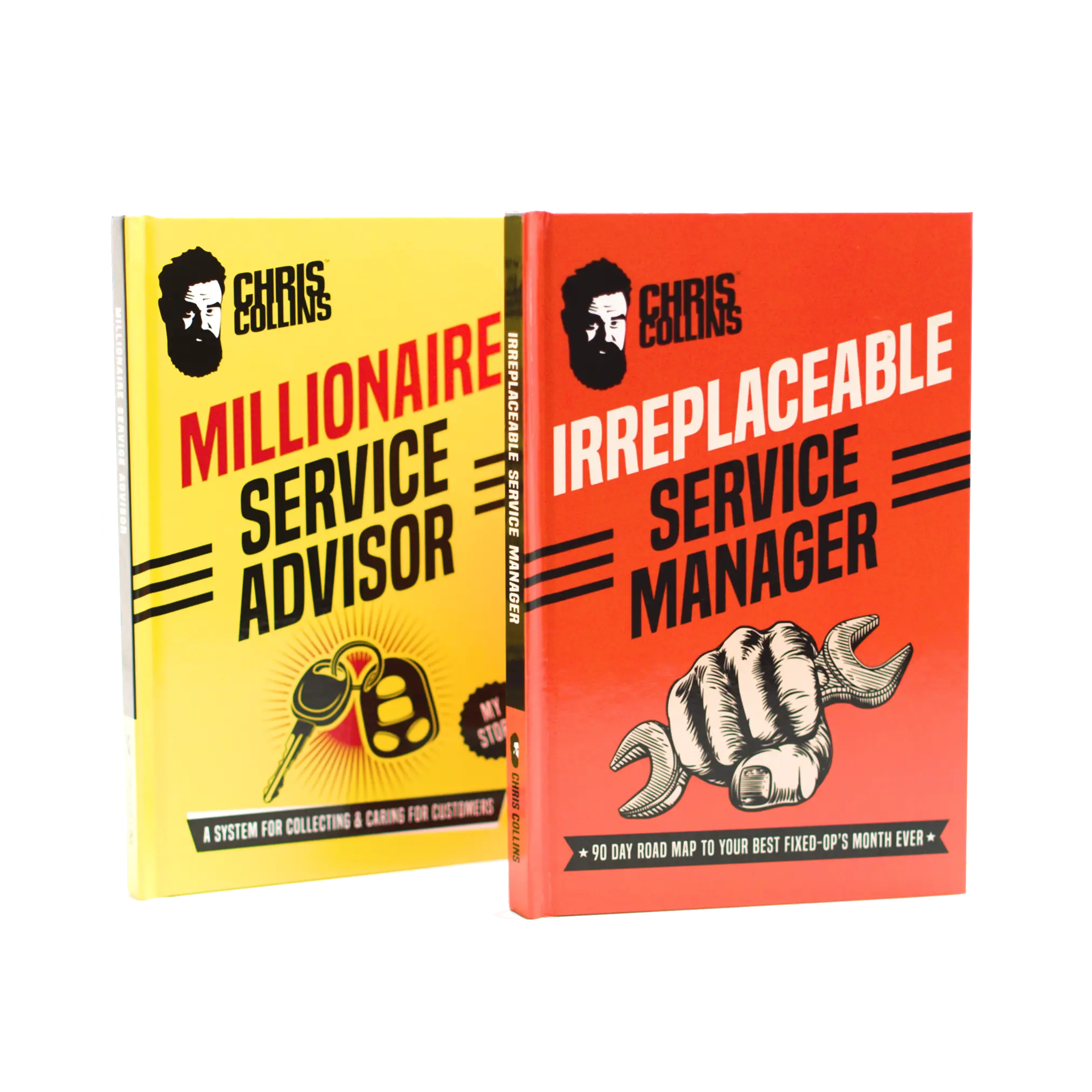
Achieving and exceeding your goals is possible when you have the right systems in place. With Service Drive Revolution OnDemand, you’ll gain access to the proven systems that have made thousands of SERVICE MANAGERS IRREPLACEABLE. Start transforming your department today!
Need help updating your playbook? Let us know how we can support your team’s growth.
Book a 15-minute strategy session with our team. We’ll explore how to unlock your dealership’s real value.