Quick Answer
A major dealership car service includes changing the engine oil and filters, topping up essential fluids, and performing computerized diagnostic scans. Technicians also conduct comprehensive safety inspections of the braking, suspension, and electrical systems, check tire health, and inspect the undercarriage. This routine maintenance improves your vehicle’s road safety, maximizes fuel efficiency, and protects its future resale value.
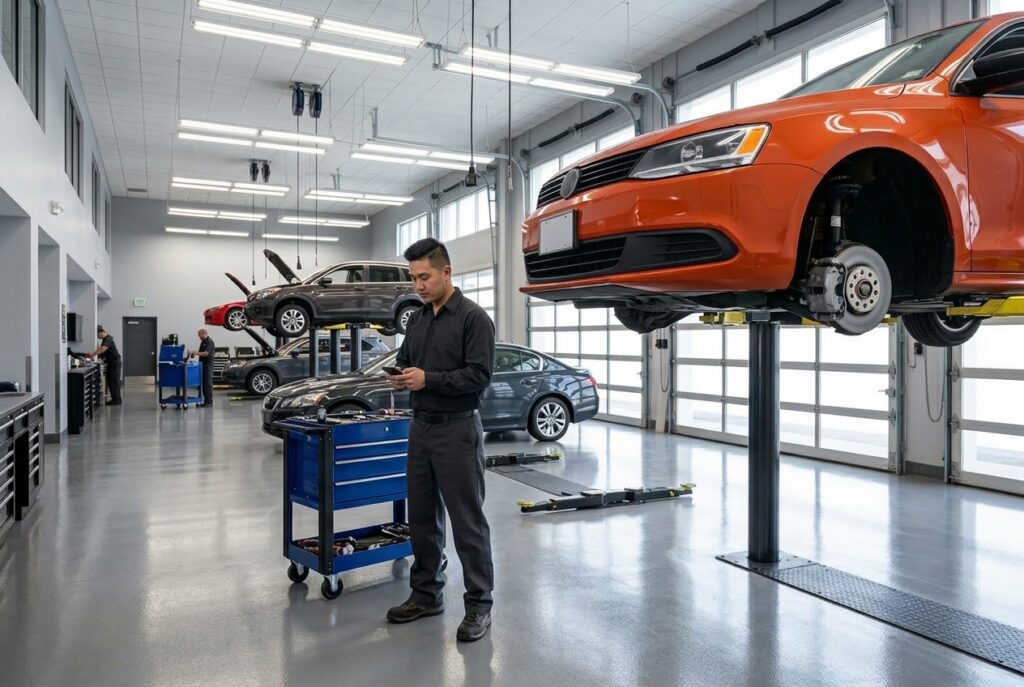
Vehicle owners often feel confused about what their car truly needs for optimal care. Without clear information, it’s easy to overlook crucial maintenance. Such uncertainty can lead to missed checks, risking safety, reducing performance, and even impacting a car’s long-term resale value. Knowing exactly what’s involved in comprehensive vehicle care is vital for drivers and dealerships that provide it.
A major service cuts through that confusion, offering a deep dive into every major mechanical system. It’s a comprehensive inspection and tune-up that addresses everything from engine health to brake safety. This attention to detail keeps vehicles running smoothly and extends their lifespan. Below is a detailed breakdown of a standard dealership full car service checklist to help you provide maximum clarity and value to your customers.
Key Takeaways
- Routine engine maintenance, like oil and filter changes, significantly improves fuel economy and vehicle lifespan.
- Regularly check essential fluids, brakes, and tires to ensure safe handling and reliable stopping power.
- Modern electrical checks and computerized diagnostic scans catch hidden faults before they cause sudden breakdowns.
- Ideal service intervals depend heavily on vehicle age, manufacturer guidelines, and typical driving conditions.
- Consistent, well-documented maintenance prevents costly repairs, maximizes fuel efficiency, and protects the car’s resale value.
Core Engine & Filter Upkeep
A healthy engine is the heart of any reliable vehicle. Proper care of its core components keeps everything running smoothly and efficiently.
● Fresh Motor Oil & Filter Replacement
Draining old, dirty oil and replacing it with the correct, clean lubricant is a priority. The process shields engine parts, reduces friction, and boosts efficiency. In fact, using the recommended grade of motor oil can improve gas mileage by 1 to 2 percent. At the same time, mechanics install a new oil filter to stop grime from circulating through the fresh oil. This step is one of the most important parts of car care, helping maintain engine temperature, lubricate moving parts, and protect them, preserving vehicle life.
● Air & Cabin Filter Updates
The engine’s air filter guards against debris entering the engine. Regularly inspect and replace a clogged filter to help the engine breathe easily and perform optimally, improving fuel economy by up to 14 percent. Likewise, replacing the cabin air filter helps keep the passenger compartment air clean and fresh.
● Ignition & Belt Maintenance
Spark plugs ignite the fuel-air mixture, making your engine run. Checking them for wear and replacing them as needed helps the engine start reliably. Mechanics also carefully inspect drive belts and various hoses for cracks, leaks, or fraying. Addressing these issues early can prevent unexpected breakdowns and keep all systems running properly.
Essential Fluid Top-Ups & System Flushes
Beyond oil, several other fluids play vital roles in your vehicle’s operation and need regular attention.
● Coolant & Antifreeze Checks
Engine coolant regulates temperature, preventing freezing in cold weather and overheating during warmer drives. Technicians test its strength and top off the level to keep the engine running optimally.
● Braking & Steering Fluids
Brake fluid is crucial for your vehicle’s stopping power. Professionals check its moisture levels, as water contamination can reduce effectiveness. They also refill power steering fluid to keep steering smooth and responsive, making every turn predictable.
● Transmission & Cleaning Fluids
Mechanics inspect gear transmission fluids to ensure proper lubrication and gearbox function. Topping up windshield washer fluid is a simple but important step that maintains clear visibility in various driving conditions.
Complete Safety & Braking System Check
Your vehicle’s braking system is one of its most vital safety features. A comprehensive check helps keep everyone on board safe.
● Pads, Discs, & Drums
Technicians measure brake pad thickness to confirm safe stopping distances. They also inspect metal discs, or rotors, for signs of wear, warping, or damage that could affect braking performance. For vehicles with drum brakes, they check the drums similarly.
● Brake Lines & Calipers
Mechanics check the hydraulic lines that carry brake fluid for leaks or corrosion. They also inspect calipers, which hold the brake pads and press them against the discs, for looseness or other operational issues.
● Parking Brake Testing
The handbrake, or emergency brake, provides essential backup and parking stability. Mechanics usually test it to confirm it engages firmly and holds the vehicle securely.
Wheel, Tire, & Suspension Assessment
Proper wheel alignment and suspension integrity mean a smoother ride, better handling, and longer tire life.
● Tire Tread & Pressure
Measuring tread depth on all four tires confirms they have enough grip for safe road contact. Technicians also adjust tire inflation to the correct pressure levels, which improves fuel economy and tire longevity.
● Tire Rotation & Balancing
Rotating tires from front to back helps distribute wear evenly across all four tires, maximizing their lifespan. Additionally, checking wheel alignment helps prevent the car from pulling to one side or vibrating, promoting stable driving.
● Suspension & Steering Systems
Technicians inspect critical components like shock absorbers, coil springs, and struts for fluid leaks, looseness, or damage. Steering linkages are also scrutinized. Addressing any issues ensures a comfortable, stable ride and accurate handling.
Electrical, Battery, & Diagnostic Diagnostics
Modern vehicles rely heavily on their electrical systems. A thorough check keeps everything from starting reliably to communicating effectively.
● Battery & Charging Power
Testing the battery’s voltage and terminal connections reveals its health and ability to start the engine. The alternator’s output is also checked to confirm it recharges the battery properly, preventing unexpected starting failures.
● Full Lighting & Signal Test
All exterior lights, including headlights, brake lights, and turn indicators, are tested for blown bulbs. Interior lights are also checked to guarantee proper illumination inside the cabin for safety and convenience.
● Computerized Diagnostic Scan
Vehicles today often present issues through their onboard computer systems. Connecting to the vehicle’s computer system lets technicians read hidden fault codes, clear warning lights, and verify sensor health, identifying potential problems before they escalate.
Undercarriage & Exhaust System Inspection
What happens beneath the car matters as much as what’s under the hood. A thorough undercarriage check spots unseen issues.
● Exhaust Systems
Raising the vehicle provides access to inspect exhaust pipes, mufflers, and catalytic converters for rust, leaks, or loose mountings. Issues here can impact engine performance, fuel economy, and cabin air quality.
● Fuel Lines & Drive Components
Technicians inspect fuel tanks and lines for cracks or corrosion that could cause leaks. They also check drive shaft boots for tears, which could let dirt and moisture damage crucial drive components.
How Service Requirements Vary
Understanding that not all service intervals are the same can help car owners plan effectively. Several factors influence when and what kind of service a vehicle needs.
● Vehicle Mileage & Age
As a car accumulates more miles and ages, different maintenance items become due. Higher-mileage vehicles often need deeper checks and component replacements, such as timing belts or specific spark plug changes, compared to newer, lower-mileage vehicles.
● Manufacturer Schedules
The manufacturer provides specific factory timelines for service tasks. These typically outline intervals of 6, 12, or 24 months, or equivalent mileage steps, whichever comes first. Following these guidelines is essential for optimal performance and warranty compliance. The 30-60-90 rule is a useful general guideline, but always prioritize the manufacturer’s precise schedule for the specific engine.
● Driving Conditions
The environment a vehicle operates in significantly impacts its wear and tear. Heavy stop-and-go city traffic, extreme heat, very dusty roads, or frequent heavy towing put extra strain on a car. These conditions often require shorter service intervals to protect the vehicle.
● Vehicle Type
Vehicle design differences also influence service needs. Electric and hybrid cars, for example, typically focus more on tasks like high-voltage battery cooling system checks, software updates, and regenerative braking system diagnostics. These differ from traditional engine-part maintenance for gasoline vehicles.
Key Benefits of Routine Servicing
Investing time and a little money in consistent vehicle maintenance yields significant rewards for car owners.
● Improved Safety & Reliability
Regular service works as a preventative measure. Spotting minor flaws early prevents them from becoming major mechanical failures, dangerous roadside breakdowns, or tire blowouts. This proactive approach keeps the driver and passengers safer on the road.
● Higher Fuel Efficiency
A well-maintained engine runs more efficiently, and properly inflated tires reduce rolling resistance. Together, these factors help the vehicle burn less fuel, saving money at the pump over time.
● Better Resale & Trade-In Value
A complete, well-documented service history clearly shows you’ve cared for the vehicle properly. A meticulously kept record greatly boosts a vehicle’s overall cash value when it comes time to sell or trade it in. In essence, spending a little time servicing your car today avoids a lot of trouble tomorrow and protects a substantial asset.
Ready to Strengthen Your Fixed Ops Systems?
Achieving and exceeding your goals is possible with the right systems in place. Whether you’re improving technician efficiency, streamlining shop dispatching, or building more consistent dealership processes, Service Drive Revolution OnDemand gives you access to the proven systems that have made thousands of Service Managers and shop leaders irreplaceable.
Start transforming your department today!
Need some help updating your playbook? Let us know how we can support your team’s growth potential.
Book a 15-minute strategy session with our team. We’ll explore how to unlock your dealership’s real value.
Frequently Asked Questions (FAQs)
● What does a full car service include?
A full car service is a comprehensive inspection and maintenance procedure that evaluates all major vehicle systems, including the engine, brakes, suspension, steering, exhaust, and electrical components. Standard tasks involve changing the engine oil and filter, checking and topping up essential fluids, inspecting tires and battery health, and running diagnostic scans.
● What is included in a dealership service?
A dealership service covers essential maintenance like oil and filter replacements, along with multi-point safety checks on key systems such as brakes, tires, and steering. Authorized centers also use specialized diagnostic equipment and factory-trained technicians to perform software updates and targeted repairs tailored to a specific make.
● How long does a full car service take?
A standard major service typically takes about 3 to 4 hours. However, the process may take longer if technicians find underlying mechanical issues or if you authorize additional replacements.
● How often should a car be fully serviced?
Mechanics recommend booking a major service every 12 months or every 12,000 miles, whichever comes first. Vehicles driven in severe conditions, such as stop-and-go traffic or extreme weather, may need earlier maintenance intervals to prevent accelerated wear.
● Is it better to service your car at a dealership?
Servicing at a dealership ensures brand-certified technicians use specialized diagnostic tools and genuine OEM parts. Independent shops can be more budget-friendly, but choosing a dealership helps protect original factory warranties and maximize future resale value.
Bottom Line
A top-tier major service does more than keep vehicles safe. It also turns your service bay into a powerful retention engine. Transparency builds the trust that keeps customers coming back to your showroom for their next vehicle purchase, securing your dealership’s future in a competitive landscape. Focus on these essential inspections to eliminate guesswork and prove your team’s expertise on every vehicle lift. If you found this breakdown useful, please share it with a colleague or two. Don’t forget to follow us so you won’t miss any of our latest uploads!
Achieving and exceeding your goals is possible when you have the right systems in place. With Service Drive Revolution OnDemand, you’ll gain access to the proven systems that have made thousands of SERVICE MANAGERS IRREPLACEABLE. Start transforming your department today!
Need help updating your playbook? Let us know how we can support your team’s growth.
Book a 15-minute strategy session with our team. We’ll explore how to unlock your dealership’s real value.