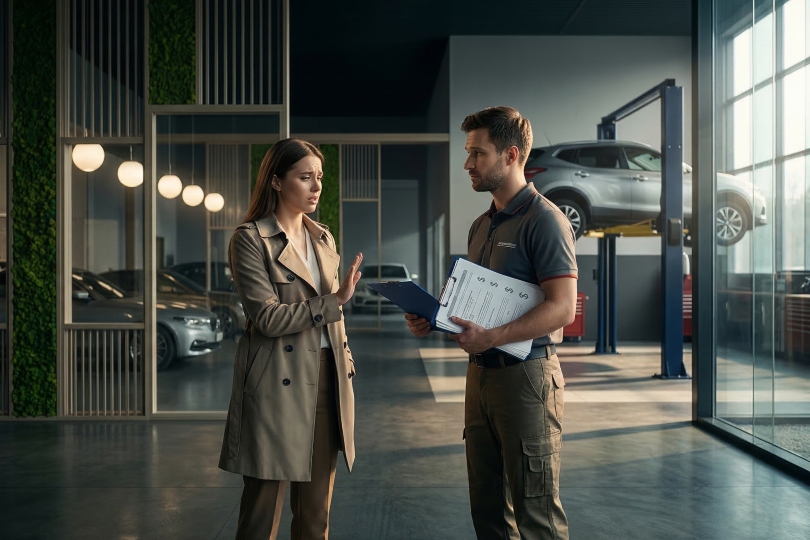
You present a repair estimate to a customer, and they just say, “No thanks”. Every service advisor faces that painful interaction. When drivers reject recommendations, they usually suspect overcharges or feel zero transparency. All those declined dealership services cost franchise dealers billions of dollars every single year.
The good news is that service departments can turn rejections into real revenue. Dealerships can win back lost opportunities when they focus on building trust instead of manipulating prices. Advisors should show customers the exact issue using photos of worn brake pads instead of describing mysterious metal noises. Moreover, sending a text message estimate can already remove the pressure and let the customer decide comfortably.
Keep reading to see exactly how your service drive can capture more fixed ops revenue. We will share practical ways to communicate better and create long-term loyal relationships.
Key Takeaways
- Customers increasingly choose independent repair shops over dealerships because of price misconceptions, sales pressure, and trust issues.
- Advisors secure more repair approvals by utilizing text messaging, digital estimates, and photo evidence to increase transparency.
- Explaining the benefits of factory-trained technicians and providing flexible payment plans overcomes price objections effectively.
- Honest pricing, educational guidance, and consistent communication build the strong foundation required to retain service clients.
- Dealerships maintain customer loyalty in a highly competitive market by leveraging clean data for timely, proactive follow-ups.
Why Do Customers Decline Dealership Services?
Service advisors encounter the “no thanks” response frequently, but understanding why it happens is the first step toward recovery. Statistics show a worrying trend where dealerships captured only 30% of all service visits in 2023, a drop from 35% just two years prior. This shift means independent repair shops have become the primary choice for drivers for the first time. Financial impacts are staggering, with franchise dealerships losing roughly $16 million per location. Every declined repair represents a missed chance to build a relationship and secure future revenue.
● Lack of Confidence
Confidence gaps remain a primary hurdle for many advisors. Trust in dealerships reached 69% in 2025, a significant rise from 44% in 2023. Buyers might trust a dealer during the initial sale, but that faith often evaporates during routine maintenance. A lot of drivers actually suspect that shops recommend unnecessary work or hide fees. Skepticism grows when recommendations feel like sales pitches rather than mechanical necessities.
● Price Perceptions
Price perceptions weigh heavily on the decision-making process for most vehicle owners. Service costs have seen a 45% jump since 2021, influencing how people view repair estimates. Service managers must recognize how service pricing inconsistency hurts their dealership when presenting quotes to skeptical buyers. While average dealer costs are very close to charges by independent shops, many people believe that dealerships are vastly more expensive. Owners often anchor their expectations to old prices and view current market rates as inflated.
● General Frustration
General frustration stems from negative experiences during previous visits. A Harris Poll survey found that 87% of Americans find some part of the car-buying process at a traditional dealership unpleasant. Long wait times disrupt schedules and cause anxiety. Shop leaders must calculate technician workloads properly, seeing how miscalculating service labor capacity hurts profitability and extends customer wait times. Perceived pressure to buy extra services makes the interaction feel manipulative. Such interactions reinforce old stereotypes that the industry has worked hard to change.
● The Appeal of Local Shops
Local shops offer a sense of psychological comfort that large corporations often lack. Only 29% of owners with vehicles older than five years choose dealerships for their maintenance. Independent mechanics focus on high-volume, simple jobs like oil changes to create frequent and positive contact points. Smaller shops often seem more approachable and personal. About 70% of people who buy or lease do not return for service within the first year. This suggests that dealerships are missing out on a massive portion of their potential fixed operations revenue.
Strategies to Turn “No” into “Yes”
Winning back business requires a shift in how advisors interact with guests. Modern strategies focus on building trust through transparency and better communication.
● Graceful Refusal Management
Advisors often stumble when a customer rejects a repair, reacting defensively or pushing immediate discounts that devalue the work. You can watch 5 Dumb Things Service Advisors Say After a “No” (Stop Doing This!) to learn about common conversational traps and how to respond gracefully. Replacing argumentative reactions with genuine human connection opens the door for future approvals.
● Visual Proof
Visual proof changes the conversation from a verbal claim to a visible reality. Sending photos or videos of worn parts, like brake pads, helps owners see the damage for themselves. Documentation reduces friction and makes the advisor’s job easier. Customers feel more confident making a choice when they can inspect the evidence on their own screens. Approval rates rise when the mystery is removed from the repair process.
● Modern Communication
Modern communication methods align with how people prefer to interact today. Data shows that 89% of consumers want to use text messaging to talk to businesses. Most people say a text is the fastest way to reach them for updates. Phone calls often feel intrusive, and emails can easily get lost in a crowded inbox. Texting allows the owner to respond when it is convenient for them without feeling forced into a live conversation.
● Digital Estimates
Digital estimates provide a low-pressure way for customers to review their options. Private reviews allow people to discuss costs with family members or check their budget without an advisor waiting for an immediate answer. Line-item breakdowns clarify exactly where the money is going. Removing the face-to-face pressure helps the customer feel more in control of the transaction.
● Highlighting Real Value
Highlighting real value is more effective than just offering a quick discount. Immediate price cuts can suggest that the original estimate was purposely high. Advisors should instead explain the benefits of original manufacturer parts and factory-trained technicians. Specialized tools and technical support at the dealership often surpass what independent shops can offer. Value propositions only work if the customer understands the long-term reliability they are purchasing.
● Payment Flexibility
Payment flexibility makes large bills much more manageable for the average household. A $3,000 bill can be terrifying as a single payment, but it feels approachable when broken into $125 monthly installments. Offering financing options helps people say “yes” to necessary safety repairs they otherwise could not afford upfront.
Building Long-Term Trust
Reliable service departments rely on trust as their primary foundation. Earning a customer’s confidence is a top priority for any dealer who wants to keep customers for life. Automotive fixed operations consulting expert Chris “Bulldog” Collins points out that transforming a struggling service department into a profitable operation requires implementing consistent processes and prioritizing strict accountability over conventional methods.
● Honesty in Pricing and Ads
Honesty in pricing and advertisements removes the fear of hidden fees. Transparency across all platforms is required to meet modern expectations. The FTC CARS rule requires dealers to disclose the actual price anyone can pay, excluding only government charges. Clear breakdowns of labor and parts help build integrity. Honest advertising regarding vehicle condition and “certified pre-owned” status prevents disappointment and loss of faith. Factual information is always better than hearsay.
● Education Over Selling
Education over selling shifts the advisor’s role to that of a helpful guide. That’s especially true as a lot of buyers often think dealers push unnecessary work. Focusing on how a service extends the life of the vehicle is more persuasive than a hard sell. Using videos or infographics helps people understand why a repair matters.
● The Personal Touch
Personal touch creates a connection that goes beyond a simple transaction. Remembering a name or a vehicle’s history shows that the staff cares about the person, not just the sale. Asking about driving habits helps tailor the advice to the individual’s needs. Outstanding service starts the moment someone walks in and continues long after they leave.
● Consistent Updates
Updates keep the owner informed about their vehicle’s status. Delays should be communicated immediately to prevent frustration. Silence is one of the fastest ways to destroy a relationship. Regular check-ins after a sale or service ensure the customer is satisfied and that any issues are handled.
● Professional Setting
A professional setting reflects the quality of the work being performed. Clean waiting rooms with amenities like Wi-Fi and coffee make the time spent there more pleasant. A well-maintained environment shows that the dealership takes pride in its operations.
Improving Customer Loyalty and Retention
Preventing customer defection is more cost-effective than finding new buyers. S&P Global Mobility notes that drivers now have 450 nameplates to choose from, increasing the competition for loyalty.
● Smart Follow-Ups
Smart follow-ups rely on digital tools rather than just memory. Timing is everything when reaching out about a declined repair. A reminder sent three days later feels like harassment, but one sent three months later feels helpful. Regular service alerts act as a concierge for the owner.
● Proactive Engagement
Proactive engagement involves reaching out to loyal guests before they start looking at other brands. Personalized messaging should address the specific needs of the customer’s journey. Messaging needs to prove that the dealer knows the customer best.
● Using Data Wisely
Using data wisely through a clean CRM system is vital for personalization. Removing duplicate records and updating preferences ensures that communication is accurate. Advanced tools can even predict when a customer might be ready for their next purchase or service visit.
● Handling Mistakes Well
Mistakes happen, but how you handle them matters most. If a customer is dissatisfied with a service, address the situation professionally. Find a solution that leaves the individual feeling heard and respected.
Frequently Asked Questions (FAQs)
Executing mandatory multi-point inspections on every vehicle identifies required repairs early in the visit. Service advisors then present clear estimates with tiered pricing options to guide customers toward immediate approvals.
Payment plans break large repair bills into manageable monthly installments for budget-conscious drivers. Service departments capture lost sales when customers realize they can fix their cars immediately without draining their savings accounts.
Sending technicians’ video walkarounds directly to a customer’s phone builds immediate trust by showing the exact wear and tear. Following up with text messages instead of phone calls meets clients where they are and speeds up the approval process.
Bottom Line
Indeed, every customer rejection presents a hidden opportunity to strengthen relationships and grow revenue. Instead of viewing pushback as a total loss, service teams can transform a “no” into a future “yes” through honest communication and transparent pricing. You can effectively convert declined dealership services into loyal, long-term business when you prioritize genuine care over immediate profits. We hope you found the tips shared today useful! If so, we would highly appreciate it if you could share it with your friends or colleagues. Let’s keep the conversation rolling!
Achieving and exceeding your goals is possible when you have the right systems in place. With Service Drive Revolution OnDemand, you’ll gain access to the proven systems that have made thousands of SERVICE MANAGERS IRREPLACEABLE. Start transforming your department today!
Need help updating your playbook? Let us know how we can support your team’s growth.
Book a 15-minute strategy session with our team. We’ll explore how to unlock your dealership’s real value.