Let’s be honest, keeping your dealership competitive gets tougher every year. Customers walk in with more information, higher expectations, and plenty of options. At the same time, sales targets rise while top talent is hard to keep. If your team isn’t prepared to handle today’s buyers, it’s easy to watch deals slip through the cracks and watch your best people walk away for better opportunities.
The good thing is that you can do something. And that’s through extensive dealership staff training. Investing in ongoing education can give your sales team the skills and confidence to close more deals, deliver better customer experiences, and adapt to a changing market. Not only does it keep your staff sharp and motivated, but it also shows the top performers you’re invested in their growth.
Stay with us as we break down how dealership staff training can leverage your business with practical strategies you can start using today. If you’re serious about boosting sales and keeping your best players on your team, you’ve come to the right place.
Key Takeaways
- Sales staff need continuous training on advanced vehicle technology, digital channels, and value-focused negotiation.
- Modern buyers expect transparent communication, empathetic objection handling, and solution-oriented interactions.
- Dealerships must adapt to millennial workforce expectations by offering flexibility, mentorship, and clear career paths.
- Interactive digital tools and data dashboards customize the learning experience and track employee growth.
- Ongoing development lowers the industry’s 40% turnover rate by boosting job satisfaction and long-term loyalty.
Why Training Drives Dealership Success
Investing in employee development can transform the entire operational dynamic of an automotive business. Providing teams with structured growth opportunities directly impacts financial health, operational efficiency, and overall staff morale.
● Hitting Higher Financial Targets
Routine instruction equips personnel with the precise skill sets required to provide top-tier customer service and close transactions efficiently. Strengthening these professional capabilities directly helps dealers meet/exceed their defined sales goals.
● Massive Return on Investment
Allocating funds to workforce education functions as a highly profitable strategy rather than a traditional business expense. According to automotive retail data, every single dollar channeled into sales and service training yields an impressive return of $3.53.
● Turning New Hires into Pros
Comprehensive onboarding programs rapidly transition raw recruits into highly productive showroom professionals. Structured guidance teaches new employees how to accurately analyze buyer preferences, present vehicle characteristics persuasively, and manage negotiations with expert professionalism.
● Building Stronger Internal Teams
Consistent educational workshops give dealership managers an open platform to communicate changing market trends and performance expectations. This transparent communication loop nurtures a deeply supportive work environment and solidifies relationships between leadership and staff.
Pro Tip: Applying the Chris Collins Method
Effective dealership training often requires a complete shift in operational mentality. Chris “Bulldog” Collins highlights that sustained revenue growth in service departments relies heavily on establishing consistent processes and holding teams accountable. Rather than depending solely on vehicle sales to drive profits, the approach focuses on optimizing fixed operations through structured leadership and a “Bulldog Mentality” to overcome business obstacles. Breaking down outdated systems and building new frameworks will fully allow managers to create a culture prioritizing long-term success over short-term fixes.
Core Training Topics for Automotive Sellers
Modern automotive sales require a diverse set of skills that go far beyond basic persuasion. Sellers must master technical knowledge, psychological awareness, and relationship-driven practices to succeed in a competitive market.
● Standing Out from Competitors
Sales professionals must understand the distinct operational and structural differences between their inventory and rival brands. Accurately emphasizing these unique corporate or vehicular advantages builds clear buyer confidence without relying on disparaging other manufacturers.
● Art of Discovery
Proper qualification training instructs representatives to utilize strategic, open-ended questions concerning a buyer’s daily driving habits, household budget, and lifestyle requirements. Gathering these critical details early allows the salesperson to deliver tailored vehicle recommendations that naturally earn client trust.
● Deep Product Knowledge
Showroom visitors complete extensive digital research before ever stepping onto a dealership lot. Because buyers are highly informed, sales representatives require continuous updates regarding rapidly evolving vehicle technologies, electric vehicles (EVs), and safety ratings to provide value beyond internet searches.
● Showing Value During the Test Drive
Simply memorizing a list of vehicle specifications is insufficient. That’s pretty outdated. Advanced training now must enable staff to connect specific vehicle safety and convenience technologies directly to a customer’s personal priorities, such as demonstrating driver-assist systems to a safety-conscious parent.
● Finance and Insurance (F&I) Basics
Sales representatives do not draft the final financial contracts, but they must understand core loan mechanics, credit score impacts, and the distinct variations between leasing and purchasing. This fundamental knowledge guarantees an efficient, transparent handoff to the finance manager.
● Value-Focused Negotiation
Instead of haggling strictly over the vehicle price tag, trained personnel reframe transactions around the total value proposition. Focusing the discussion on long-term components like comprehensive warranties, vehicle build quality, and ongoing peace of mind helps protect dealership margins.
● Long-Term Relationship Building
Sustained sales achievements extend far past the initial vehicle delivery. Representatives must learn how to retain customers like what big brands do through structured, thoughtful post-sale follow-ups. They have to introduce buyers to the service department for routine maintenance and request digital reviews and/or referrals at ideal moments.
● Handling Objections with Empathy
Car buyers frequently voice hesitations regarding overall pricing, financing terms, or timing. Targeted sales programs prepare representatives to anticipate these common hurdles, respond with authentic empathy, and guide conversations forward smoothly without applying aggressive pressure.
Effective Communication and Customer Connections
The way a dealership interaction feels matters just as much as the vehicle being sold. Refine your interpersonal communication in order to turn standard transactions into memorable customer experiences.
● Focusing on Solutions Over Price
Showroom conversations should consistently highlight specific vehicular benefits rather than focusing exclusively on monetary numbers. Adopting a solution-oriented mindset allows sales professionals to solve individual consumer dilemmas and demonstrate how a specific vehicle genuinely upgrades daily living.
● Power of Simple Courtesies
Intentionally using a customer’s name during face-to-face and digital conversations serves as an incredibly effective mechanism for building immediate rapport. Yes, it might look like a simple courtesy. But in reality, it shows focused attentiveness and reinforces authentic interest in assisting the individual.
● Honesty and Transparency
Truth to be said, honesty is the best policy. Providing consumers with accurate, data-backed information creates a foundation for long-term organizational trust. Dealerships can achieve sustained market success when their staff remain entirely forthright and avoid making unrealistic promises just to secure a deal.
● Building Confidence and Enthusiasm
Well-designed development programs do much more than pass along technical vehicle information. Implementing best practices for motivating a sales team builds genuine internal enthusiasm and self-confidence within employees. Such training inspires staff to communicate more dynamically and take great pride in their roles.
Adapting to Modern Demographics and Market Changes
The automotive industry faces shifting dynamics in both its workforce and consumer base. And so, dealership strategies must also evolve to align with these new generational expectations.
● Meeting the Needs of Millennial Workers
Younger generations now comprise 60% of the total dealership workforce. To retain these professionals, businesses must alter their corporate models to accommodate desires for scheduling flexibility, team-based collaboration, and transparent career advancement options.
● Providing Growth and Mentorship
Connecting experienced automotive veterans with younger hires via structured mentorship programs creates a protective layer of workplace confidence. Outlining clear, visible promotion pathways keeps high-performing talent from migrating to competing operations.
● Emphasizing Emotional Intelligence
Modern automotive sales require highly developed soft skills, including active listening, profound empathy, and situational adaptability. Employees who master emotional intelligence can successfully navigate intense consumer objections and handle stressful interactions calmly.
● Shifting to Digital Sales Channels
Nearly half of all modern car buyers initiate their shopping journey via online platforms. Dealership personnel must possess specialized training to manage digital leads, navigate online sales portals, and build authentic connections through text messaging, email communication, and social channels.
Modernizing Training Through Technology and Culture
Relying on outdated, generic training methods no longer works in a fast-paced environment. You have to leverage modern technology and build a supportive learning culture to maximize educational impact.
● Customizing the Learning Experience
Utilizing a generic, one-size-fits-all training course fails to address specialized organizational needs. Dealerships must customize education specifically for each role, delivering technical diagnostics training to service mechanics and advanced relationship building to sales staff.
● Using Interactive Digital Tools
Modern learning management software enables busy employees to finish educational modules using mobile devices or laptops at their own convenience. Virtual reality (VR) tools also give salespeople a stress-free space to practice vehicle walk-arounds and navigate tough objections safely.
● Tracking Growth with Data Dashboards
Leadership teams can utilize advanced Learning Management Systems (LMS) and interactive performance dashboards to track course completion metrics, evaluate quiz scores, and identify specific areas needing extra support. These tools make it easy to celebrate milestones and publicly reward top performers.
● Fostering a Continuous Learning Culture
True professional development must be treated as an ongoing corporate process rather than a single checkbox event. When dealership managers actively lead by example and prioritize continuous education, they create a collaborative environment where team members constantly exchange knowledge.
● Gathering Feedback Through Surveys
Business leaders should implement routine, anonymous worker surveys to figure out which training platforms are actually proving helpful on the job. Actively listening to constructive internal criticism allows management to adjust educational programs to better solve daily showroom challenges.
How Development Keeps Talented Staff from Leaving
A strong training program serves as a powerful tool for employee retention. Prioritizing staff development directly stabilizes the workforce and reduces costly turnover.
● High Cost of Staff Turnover
Dealerships face intense challenges with an average employee turnover rate of nearly 40%. With typical worker tenures lasting only 18 months to 2.4 years, this constant churn severely hurts team morale, disrupts workflows, and damages brand reputation.
● Solving the Root Causes of Turnover
The National Automobile Dealers Association (NADA) notes that inadequate compensation, poor workplace culture, and minimal career growth are the primary reasons personnel quit. Thus, offering structured onboarding and clear learning opportunities directly closes these workplace gaps.
● Connecting Onboarding to Long-Term Loyalty
Implementing a structured onboarding program that uses dedicated mentors pairs new hires with clear role expectations right from day one. Statistics confirm that high-quality initial onboarding significantly increases the likelihood of an employee staying with an organization for over three years.
● Making Staff Safer and Happier
For team members working with heavy machinery or performing physical labor, top-tier safety gear and consistent evaluations are completely non-negotiable. When an automotive business prioritizes worker safety and health, employee loyalty increases, and turnover numbers drop.
● Why Happy Workers Mean Happy Customers
Comprehensive training helps employees feel truly valued and secure in their career advancement. Happy, long-term workers deliver a far superior customer experience, and car buyers naturally prefer interacting with the same familiar faces whenever they return.
Frequently Asked Questions (FAQs)
Ongoing training sharpens sales teams’ negotiation tactics and product knowledge so they can handle objections confidently. This continuous skill-building directly translates into smoother interactions that convert hesitant shoppers into buyers.
Modern buyers expect a seamless, digital-first shopping experience with full price transparency. Training teaches teams how to navigate omnichannel communication tools and deliver the fast, honest answers today’s tech-savvy consumers demand.
Interactive role-playing sessions that simulate real-world customer objections yield the highest retention rates for sales staff. Blending these live exercises with bite-sized mobile learning modules allows salespeople to reinforce their skills between showroom visits.
Regular development builds a reliable pipeline of high-performing employees who maximize the profit margin on every vehicle sold. By reducing costly turnover, continuous education keeps the entire team focused on meeting monthly and quarterly revenue goals.
Bottom Line
There you have it! Investing in dealership staff training will surely give your team the skills they need to close more deals and deliver top-tier service. Ongoing education builds confidence and motivates staff, setting the stage for stronger performance and higher job satisfaction. Also, don’t forget to give clear growth paths to encourage top talent to stay and grow with your dealership. All that will help you maintain a consistent edge in a constantly shifting market. If this article helped you rethink your approach, you can explore more service advisor training content here.
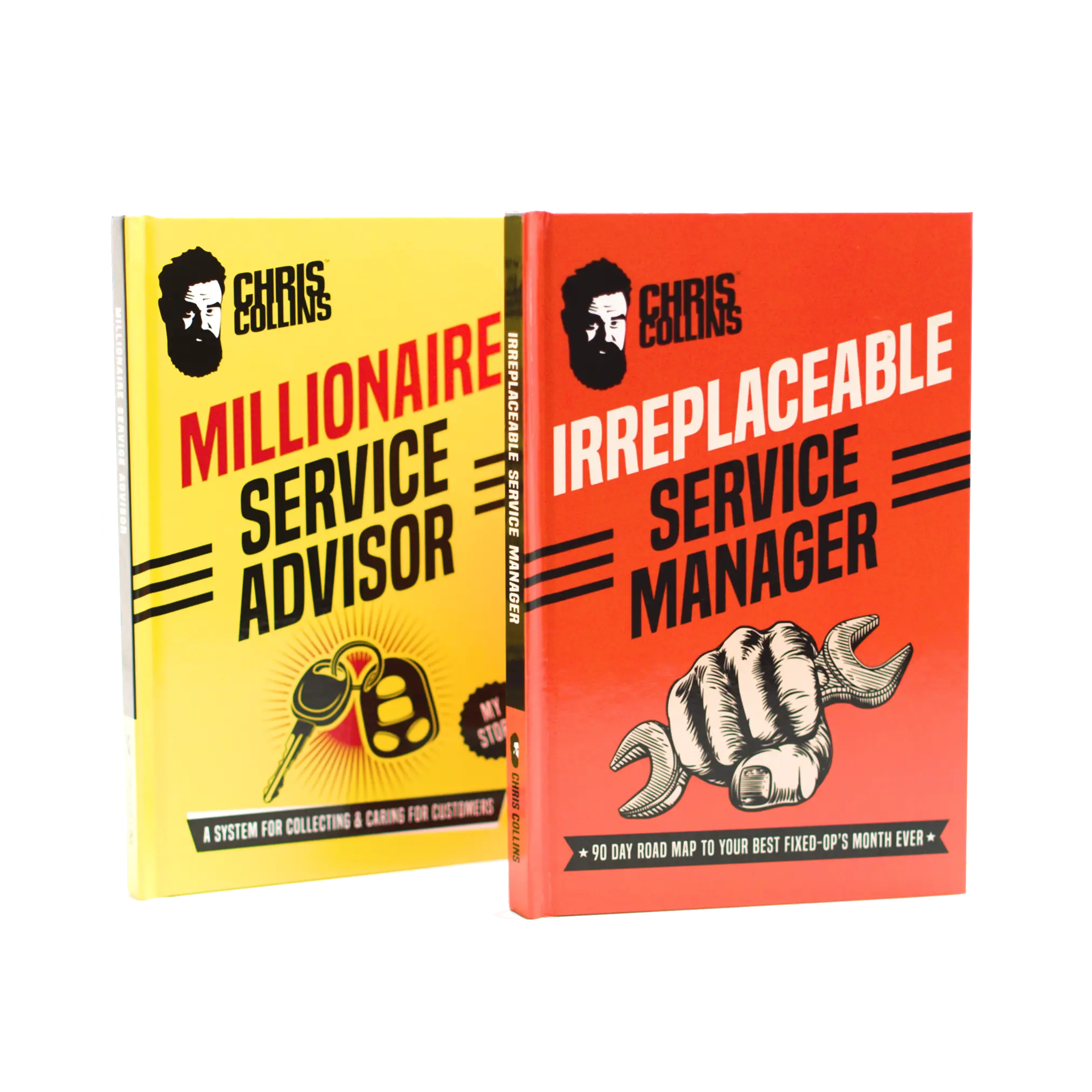
Achieving and exceeding your goals is possible when you have the right systems in place. With Service Drive Revolution OnDemand, you’ll gain access to the proven systems that have made thousands of SERVICE MANAGERS IRREPLACEABLE. Start transforming your department today!
Need help updating your playbook? Let us know how we can support your team’s growth.
Book a 15-minute strategy session with our team. We’ll explore how to unlock your dealership’s real value.