Quick Answer
Dealerships can prevent customer defection by building trust through upfront menu pricing, digital photo inspections, and clear explanations that eliminate invoice shock. Improving convenience with frictionless online scheduling, loaner vehicles, and mobile pickup removes the logistical hurdles that drive clients toward independent shops. Consistent status updates during repairs, paired with structured loyalty programs and proactive post-visit follow-ups, ensure drivers feel valued long after their warranty expires.
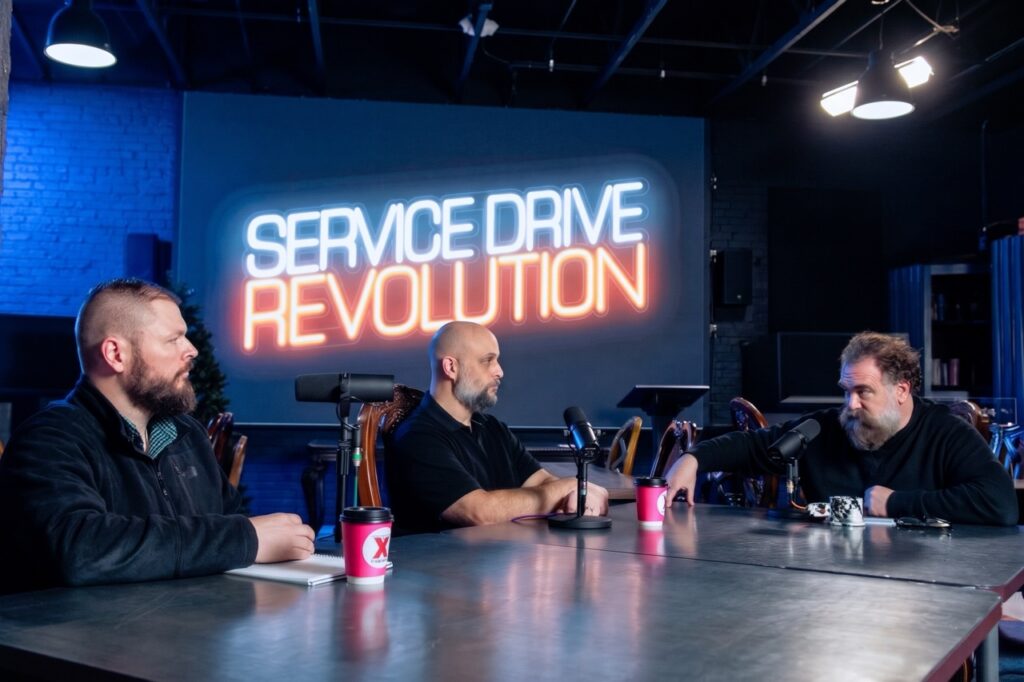
Are your valued service customers driving past your dealership to independent shops? It’s a common scenario nowadays. Many clients leave due to perceptions around pricing, inconvenient appointment scheduling, or confusing communication from service advisors. This outflow can steadily diminish your revenue and disrupt strong relationship-building, making sustained growth a constant battle for your fixed operations. Each lost visit is a missed opportunity to build loyalty.
But don’t stress too much! You have the power to reverse this customer defection. We will show you proven tactics to make your dealership the preferred choice for every service need. Here, you will learn how to focus on transparent pricing, convenient scheduling, and clear advisor conversations to turn hesitant customers into loyal clients. Read on for direct strategies to improve your service customer retention and keep customers returning to your bays.
Key Takeaways
- Customers leave dealerships for independent shops because of impersonal service, skepticism about upsells, logistical hassles, and perceived high post-warranty costs.
- Poor initial access, lack of repair updates, unexpected final bills, and staff indifference are major drivers of service dissatisfaction.
- Dealerships can build pricing trust through digital visual inspections, upfront menu pricing, and categorizing repairs by urgency.
- Offering frictionless online booking, early service introductions, and mobility alternatives like loaners or rideshares boosts convenience.
- Clear communication, agreed update preferences, 48-hour post-visit follow-ups, loyalty rewards, and targeted win-back campaigns drive long-term retention.
Why Customers Leave Dealerships for Independent Shops
Many factors influence a customer’s decision to take their vehicle elsewhere.
● Impersonal and Transactional Treatment
Dealership service centers often handle a high volume of vehicles, with different service advisors interacting with customers. This fast-paced environment can make customers feel like just another transaction rather than valued individuals with specific needs. When they do not feel recognized or remembered, it diminishes their connection to the dealership.
● Skepticism Toward Upsells
Drivers frequently come to dealerships with a built-in wariness about recommended repairs. They worry that service departments might push unnecessary services to meet sales quotas. In contrast, independent mechanics are sometimes seen as neighborhood advisors who offer more unbiased advice, fostering greater trust.
● Operational Inconvenience
The day-to-day logistics of servicing a car can be a big hurdle. Dealerships sometimes face challenges with complicated scheduling, extended wait times during vehicle drop-off, or a scarcity of loaner vehicles. Slow repair turnaround times further disrupt busy customers’ routines, prompting them to seek faster, more convenient alternatives closer to home or work.
● Post-Warranty Cliff
After a vehicle’s factory warranty or complimentary maintenance period ends, many owners automatically assume dealership service rates are higher than independent shops. That perception often leads them to default to outside facilities for routine maintenance like oil changes or tire rotations, believing they will save money.
Core Drivers of Customer Dissatisfaction
Beyond the initial reasons customers might look elsewhere, several issues during a service visit can create significant dissatisfaction.
● Initial Access Barriers
The first point of contact sets the tone for the entire service experience. Unanswered phone calls or long hold times create an immediate negative impression. Research on hold tolerance shows 60% of customers hang up after just one minute on hold. See that? Many callers will simply abandon the attempt to reach you and dial a competitor, resulting in lost business before service even begins.
● Communication Gaps During Repairs
Leaving a vehicle for service can be a source of anxiety for customers. A lack of proactive status updates or a failure to meet promised completion times increases this worry. Customers value regular, clear communication about their vehicle’s progress, even if it is just a brief check-in.
● Invoice Shock
Presenting a final service bill that differs from the initial estimate can quickly erode customer trust. Furthermore, an invoice filled with confusing technical jargon and unexpected fees makes customers feel exploited and uninformed. Clarity and consistency between estimates and final costs are essential for goodwill.
● Staff Indifference
When customers have a complaint or concern and perceive a lack of responsiveness from staff, they feel ignored and undervalued. This disengagement drives many dissatisfied clients away, as they seek businesses that prioritize their concerns and show a willingness to resolve issues.
Strategies to Improve Pricing Transparency and Build Trust
Building trust with customers is VERY important. Transparency in pricing and honest communication are key elements to achieving this goal.
● Multi-Point Digital Inspections
Technicians can use tablets or smartphones to capture high-resolution photos and videos of worn or damaged parts. Sending these visual aids directly to the customer’s phone allows them to see the problem firsthand. This practice boosts transparency and often leads to higher approval rates for necessary repairs.
● Upfront Menu Pricing
Clearly displaying standardized pricing for common maintenance services gives customers instant clarity. Posting these prices can help remove any mystery surrounding costs. Perhaps try posting it on a service menu or your website. Trust us, it will show your competitiveness against independent shops and show customers they can receive top-tier service without overpaying.
● Prioritized Recommendations
Service advisors should organize recommended repairs into distinct categories. These include immediate safety necessities, near-term maintenance items, and components for long-term monitoring. Presenting repairs in this structured way gives drivers a clear understanding of what is urgent and what can be budgeted for later, offering them control over non-essential expenses.
Enhancing Service Appointment Convenience and Mobility
Today’s customers expect convenience. So, making service appointments and vehicle management easier will greatly boost retention.
● Frictionless Digital Scheduling
Real-time online booking tools can empower customers to schedule appointments on their own terms. These tools allow customers to select preferred service advisors, choose transportation options, and receive instant calendar confirmations. It’s a small thing. But that seamless digital experience is something your customers would truly consider. It respects their time and offers unmatched flexibility.
● Early Service Lane Introductions
During the new-vehicle delivery process, take buyers on a brief tour of the service department. Introduce them to the service manager and explain the benefits of dealership maintenance. Scheduling their initial service appointment right then (perhaps three months out) will increase the likelihood they’ll return for that first critical visit.
● Alternative Mobility Solutions
Dealerships can remove the logistical burden of dropping off a vehicle by offering various transportation options. Expanding loaner fleets provides a seamless replacement, while complimentary rideshare vouchers offer quick transport. Furthermore, offering valet vehicle pickup and delivery services caters to customers who prefer maximum convenience.
Advisor Communication and Follow-Up Processes
Effective communication and diligent follow-up are fundamental to a positive customer experience and ongoing loyalty.
● Plain Language Explanations
Service advisors must translate technical repair codes and automotive jargon into simple, everyday terms. They should clearly explain why a specific component matters for vehicle safety, performance, or overall wear. This demystifies the repair process and helps customers understand the value of the recommended service.
● Agreed Communication Preferences
When a customer drops off their vehicle, service advisors should ask how they prefer to receive updates. Should it be through text message, phone call, or email? Ask them anyway. Committing to specific check-in times and following through with timely messages will help eliminate customer anxiety and build trust through reliable communication. Even a brief status text can do a lot.
● Proactive Post-Visit Follow-Up
Service teams should contact customers within 48 hours after a completed repair. This follow-up call or message confirms the vehicle is performing as expected and addresses any lingering questions about the invoice. This proactive engagement simply shows the dealership cares about their satisfaction beyond the initial transaction.
Practical Retention Strategies for Repeat Visits
Retaining customers also means giving them compelling reasons to choose your dealership again and again.
● Structured Loyalty Programs
Simple, transparent rewards programs are highly effective. These programs can grant points toward future maintenance, complimentary tire rotations, or discounted detailing services. Tangible financial incentives give drivers a clear, compelling reason to choose the dealership over independent shops and reinforce the value of their loyalty. After all, who doesn’t want discounts, right?
● Real-Time Feedback Loops
Gathering immediate feedback is crucial for addressing issues before they escalate. Sending a brief, two-question text survey to customers right after vehicle pickup allows managers to spot service failures in real time. This quick pulse check enables prompt action to resolve complaints and win back unhappy customers, preventing them from taking their business elsewhere.
● Targeted Win-Back Campaigns
Service managers can leverage their customer relationship management (CRM) databases to identify clients who have not visited the dealership in a while. Reaching out with personalized messages, offering complimentary health checks, or alerting them to open safety recalls can offer a valuable reason to return. That level of strategic outreach provides them with a second chance to experience your improved service.
Ready to Stop Losing Customers to the Corner Garage?
Knowing why drivers defect is only half the battle. Turning your service lane into an unbeatable, trust-building retention machine takes real-world execution. At Service Drive Revolution Live Academy, service managers and advisors get hands-on, intensive training to ditch the pushy sales scripts, master transparent communication, and turn hesitant, post-warranty walk-ins into lifelong raving fans.
So if you’re ready to train your team to outperform independent shops on both experience and profitability, check out the next live session today!
Frequently Asked Questions (FAQs)
Customers frequently stop visiting dealership service lanes because of eroding trust, perceived inconvenience, and a transactional experience. These drivers often leave because of unexpected costs and poor communication.
Dealerships can lower defection rates by implementing pricing transparency and utilizing multi-point digital inspections with photo evidence. Providing friction-free digital scheduling and alternative mobility solutions also helps retain clients.
Frustration typically builds around communication failures and broken expectations throughout the service visit. Invoice shock, unanswered phone calls, and silence during the repair process severely damage customer satisfaction.
Advisors can boost retention by translating complex automotive jargon into plain, understandable language. Conducting active walk-arounds and establishing clear communication preferences at drop-off also builds lasting trust.
Dealerships can recapture lapsed clients by segmenting their defected database and leading with high-value open safety recalls. Deploying synchronized, multi-channel campaigns paired with a flawless redemption visit helps guarantee these drivers return.
Bottom Line
The road to a more profitable dealership starts with mastering service customer retention through transparency and consistent value. You can win back vehicle owners’ trust through clear pricing and effortless scheduling that beats any independent shop. These strategies will surely give you a clear path to turn one-time visits into lifelong relationships. So don’t wait any longer! Start implementing these process improvements today to see a direct impact on your bottom line.
We hope you found these insights useful! If so, we’d really appreciate it if you could share this article with your industry colleagues. Don’t forget to follow us so you won’t miss the latest uploads!
Achieving and exceeding your goals is possible when you have the right systems in place. With Service Drive Revolution OnDemand, you’ll gain access to the proven systems that have made thousands of SERVICE MANAGERS IRREPLACEABLE. Start transforming your department today!
Need help updating your playbook? Let us know how we can support your team’s growth.
Book a 15-minute strategy session with our team. We’ll explore how to unlock your dealership’s real value.