Keeping customers coming back to your service drive isn’t getting any easier. With so many shops offering low prices and quick fixes, it’s tough to build real loyalty—especially when many customers feel like just another number. Dealers work hard to earn trust, but one misstep can send a valuable customer straight to the competition.
That’s why service drive customer loyalty habits matter more than ever. Simple habits, such as proactive communication and consistent follow-up, can turn first-time visitors into lifelong clients. When these strategies become second nature in your drive, customers start relying on your recommendations, skip the tempting deals down the street, and even recommend your store to friends. Keep reading for practical steps you can use to boost retention, lift profits, and make your dealership a trusted destination for auto service.

Key Takeaways
- Service advisors act as helpful consultants, guiding customers on safety and budget rather than pushing sales.
- Proactive texts, active listening, and reviewing old service records establish strong personal bonds with guests.
- Effective communication requires welcoming body language, simple terms, and visual evidence like digital vehicle inspections.
- Earning absolute trust creates loyal customers who authorize repairs without price shopping or questioning recommendations.
- Silence, surprise invoices, and perceived staff indifference quickly drive customers away and ruin the shop reputation.
- Retaining current guests costs less than finding new ones and guarantees steady, long-term business revenue.
Why the Service Advisor is the Face of the Shop?
Service advisors represent the primary link between vehicle owners and the repair shop, acting as the face of the business. Mechanics perform the physical labor to keep vehicles running, while the advisor provides the guest experience that dictates whether a customer will return. Success in such a role stems from treating every interaction as a clear transfer of helpful information rather than a high-pressure sales pitch.
Professional advisors function most effectively when adopting a consultant mindset, helping guests prioritize repairs based on safety and budget instead of chasing immediate profit. By shaping the customer’s journey from start to finish, the advisor directly determines the shop’s reputation and financial health.
Daily Habits of Successful Advisors
Top-performing advisors develop specific routines to keep their guest list growing. Consistency builds reputations, and successful staff develop a rhythm that guarantees every guest receives high-level care.
● Proactive Communication
Reaching out first prevents guest anxiety. Send updates when a car enters the bay, a mid-day status report, and a final notification the moment work finishes. Modern customers often prefer text messaging for quick updates since it respects their busy schedules. In fact, 90% of text messages are read within three minutes, and text campaigns achieve a staggering 98% open rate. Being the first to reach out removes the stress of the unknown.
● Vehicle History Reviews
Check old service records before a guest arrives. Mentioning a previously declined repair or a recurring issue makes the consultation feel personalized. High-performing professionals look for open recalls or specific model patterns to provide comprehensive vehicle health consultations.
● Building Personal Bonds
Moving from “the advisor” to “my advisor” requires small, friendly efforts. Remembering a name, a preferred shuttle service, or details about a family creates a lasting connection. People buy from individuals they like and trust. That level of personal bond serves as a buffer if unexpected delays occur.
● Active Listening
Give guests full attention instead of rushing to finish paperwork. Paraphrasing concerns back to the owner proves their needs are understood. Such a habit builds a foundation of respect and reassures guests that their issues are taken seriously.
Communication Tactics That Build Credibility
Words matter, but delivery often matters more. Effective communication encompasses tone, body language, and attentiveness to create inviting interactions.
● Body Language
A welcoming smile, open posture, and steady eye contact signal professionalism. Conversely, crossing arms or acting impatient can make a guest feel unwelcome. These non-verbal cues set the tone for the entire interaction. Approachability is often the first thing a customer notices.
● Simple Language
Avoid confusing industry jargon. Use clear terms so guests feel informed and in control of their choices. If repairs are necessary, explain reasons in straightforward terms, highlighting safety or performance benefits without applying pressure. Guests want a guide, not a salesperson.
● Visual Evidence
Use digital tools to show photos or videos of worn-out parts. Seeing a leaking pump or thin brake pads removes doubt and helps guests approve necessary work with confidence. Digital vehicle inspections (DVI) allow shops to send visual reports directly to a customer’s phone. Fluid sample comparisons also allow owners to grasp the importance of preventive maintenance immediately.
Strategic Innovation and Modern Retention
Modern dealerships now view retention as a strategic advantage that fuels long-term growth. Loyalty links directly to increased service absorption and higher future vehicle purchases. Precision marketing replaces generic coupons with behavioral targeting and AI-powered tracking. These platforms adjust messaging based on mileage milestones or prior accessory interest. For example, a guest who declined a battery in winter might receive a targeted reminder when temperatures drop. Such personalized communication significantly improves open rates and repeat showroom traffic.
In addition, structural incentives must support client loyalty goals. More groups now shift toward compensation models that reward longevity over velocity. Bonuses factor in repurchase rates and service drive referrals. Sales professionals under these plans view guests as long-term assets. Simultaneously, shops must optimize parts logistics. Successful leaders apply predictive analytics to maintenance schedules. This guarantees common or high-failure components remain in stock, reducing downtime. Always keep in mind that when service is executed quickly and precisely, trust and wallet share increase. Automotive fixed operations consulting expert Chris “Bulldog” Collins often teaches that restructuring operations and breaking down old frameworks help service departments get out of the red and build a winning culture.
Reaching “Key Tosser” Status
The ultimate sign of loyalty is the “key tosser”—a guest who hands over their keys and says, “Just take care of whatever it needs”. Achieving such trust requires a track record of honest recommendations and consistent care over multiple visits. These individuals do not feel the need to price shop because their trust in the dealership is absolute. Key tossers often become advocates who bring in friends and family, creating a steady stream of new business. Such clients represent the highest level of professional success for an advisor. Creating this type of customer requires prioritizing the owner’s best interests over immediate sales.
Common Killers of Customer Retention
Certain behaviors drive guests away faster than high prices. Understanding why customers leave is just as important as knowing why they stay.
● The “Black Hole.”
Silence creates frustration. Guests who drop off a vehicle and hear nothing for hours assume the worst—either the work isn’t happening or costs are rising. Poor communication is the leading cause of customer defection.
● Surprise Invoices
A bill significantly higher than the estimate destroys trust instantly. Always get approval for additional costs before the work starts. Springing a large addition on a customer at the cashier’s desk is a guaranteed way to ensure they never return.
● Indifference
Acting like a guest interrupts the da,y sends a clear message that the shop does not value the business. A lack of eye contact, a brusque tone, or failing to explain the services performed makes the customer feel like a number rather than a valued guest. Research indicates that 68% of customers abandon a business entirely over perceived indifference. Stay mindful of how every interaction feels to the customer.
Simple Steps to Fix Poor Retention
Improving loyalty numbers requires a shift in shop culture and daily processes. Such transformation involves moving from accidental interactions to intentional, repeatable service habits.
● Set Communication Standards
Create a policy where every guest receives an update by a specific time, regardless of whether the vehicle is ready. Use digital tools like video inspections to demonstrate needs clearly. This consistency builds familiarity and trust.
● Follow-Up Routines
Make 24-hour follow-up calls or texts a non-negotiable part of the morning. This catches small issues before they become bad reviews. It reinforces the idea that the advisor cares about car performance, not just the wallet.
● Review Declined Work
Keep a list of services a guest didn’t buy last time and revisit those items during the next appointment. Such consistency shows a focus on long-term vehicle health.
● Soft Skills Training
Teach advisors how to deliver bad news with empathy and handle concerns with transparency. Training should focus on emotional intelligence, de-escalation, and active listening. Professional development is an investment that drives both satisfaction and profitability.
The Financial Power of Loyalty
Retaining existing guests is far cheaper than spending money on marketing to find new ones. Loyal customers spend more over their lifetime, accept more recommendations, and provide free word-of-mouth advertising. Sustainable growth depends on repeat business and long-term customer loyalty.
Thus, focusing on relationships rather than one-time sales guarantees a steady revenue even when the economy fluctuates. High-retention stores benefit from stronger financial stability and higher Net Promoter Scores. Ultimately, retention is the result of an advisor acting as a professional consultant rather than a transactional order-taker. Disciplined application of basic human courtesy and professional preparation builds a base that withstands competitive pressures.
Frequently Asked Questions (FAQs)
Service advisors build long-term loyalty by providing transparent pricing estimates and outlining mechanical repairs in simple terms. Consistent habits like setting realistic deadlines and calling clients with progress updates prevent frustrating surprises.
Customers expect honest repair recommendations that prioritize vehicle safety over unnecessary sales pitches. They value professionals who actively listen to their concerns and answer questions without rushing the conversation.
Failing to offer regular status updates leaves clients feeling ignored and anxious about mounting repair bills. When advisors hide extra fees or speak in confusing mechanical jargon, clients lose trust and take their business to competitors.
Bottom Line
Indeed, strengthening your service to drive customer loyalty habits isn’t just a smart move. It’s actually an essential strategy for sustainable growth. When consistent communication and genuine concern become part of your daily routine, customers will surely notice that difference. Solid relationship-building and attention to individual needs will eventually encourage repeat visits, higher spending, and more referrals. Focusing on these habits will help you stand out from competitors and keep your service bays full. If these pro tips provided value, please share this article with a colleague. Let’s keep the conversation going!
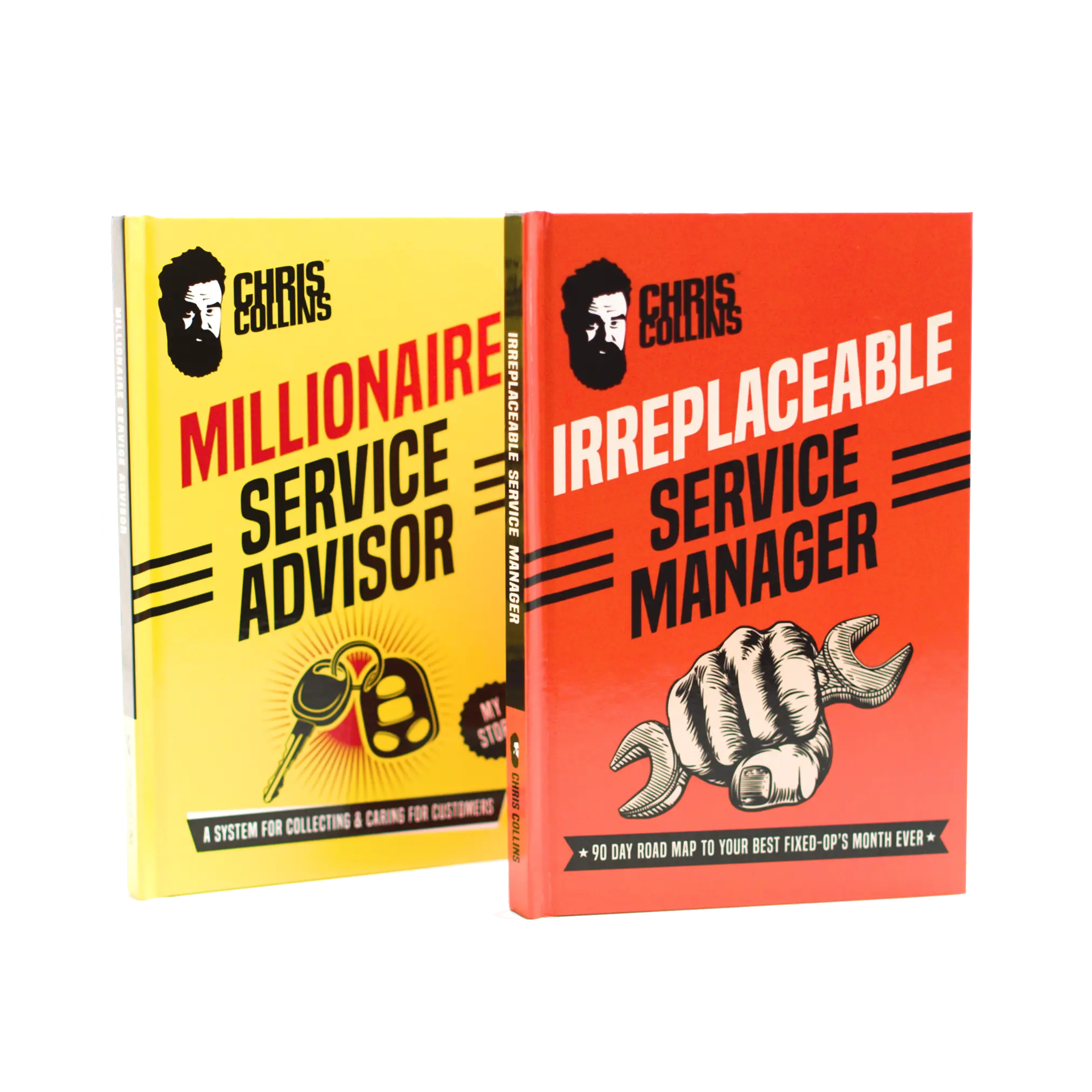
Achieving and exceeding your goals is possible when you have the right systems in place. With Service Drive Revolution OnDemand, you’ll gain access to the proven systems that have made thousands of SERVICE MANAGERS IRREPLACEABLE. Start transforming your department today!
Need help updating your playbook? Let us know how we can support your team’s growth.
Book a 15-minute strategy session with our team. We’ll explore how to unlock your dealership’s real value.