Running a dealership comes with its challenges. Sales can stall, employees might lack motivation, and customers occasionally need an extra push to make that purchase. Without a clear strategy, these issues can quickly turn into lost revenue and missed opportunities.
That’s where dealer incentive programs can be a great strategy. Such programs are structured reward systems that encourage your staff and customers to take actions that drive sales, boost morale, and build loyalty. It has the potential to turn goals into tangible results and align efforts with business priorities.
Want to know how dealer incentive programs can help your dealership thrive? Keep reading for practical tips and strategies that can make a real difference.

Key Takeaways
- Reward systems link pay directly to outcomes, aligning staff habits with dealership goals.
- Well-planned incentives speed up vehicle sales, clear aging inventory, and boost employee productivity.
- Manufacturers build programs for brand strategy, while dealerships manage local market performance.
- Popular options include volume-based sales bonuses, service department perks, and financing rate reductions.
- Building a successful plan means setting clear goals, defining budgets, and keeping rules simple.
- Dealerships track profit per vehicle and monitor redemption rates to verify financial success.
What are Auto Dealer Incentive Programs?
Incentive structures act as organized reward systems that shape the behavior of your staff and buyers. A well-designed plan might offer bonuses for closing a deal or upgrading a buyer to leather seating. Such setups function as an effective method for driving more sales, better service, faster inventory turnover, and loyalty. Rather than acting as simple price cuts, an incentive creates ongoing motivation by linking rewards directly to specific performance metrics. Tying pay to outcomes aligns employee habits with business goals, creating a clear win for the dealership, the workers, and the buyers. Manufacturers sometimes use financial inducements to motivate partners to sell a particular product by offering discounts on that item. Such corporate sales strategies involve reducing the acquisition cost for a retailer, which increases the profit margin upon the sale of that specific vehicle.
Core Benefits of Using Incentives
Effective reward systems provide clear advantages for a dealership. Setting up the right structure changes daily operations significantly.
● Faster Sales and Better Profits
Vehicles sitting on the lot cost your business money every single day. Rewards push sales faster, freeing up capital and creating room to improve profit margins. Pushing inventory quickly helps managers clear out aging models efficiently. Research from Cox Automotive reports that the average incentive in July 2025 reached 7.3% of the average transaction price.
● Happier Customers
Providing financial benefits makes vehicles much more affordable, building positive relationships that bring buyers back. Satisfied consumers turn into repeat buyers and frequently recommend your shop to friends and family. Well-planned dealer performance bonuses positively influence the buyer experience by encouraging staff to focus on service quality and efficiency.
● Better Team Performance
Building a well-designed sales and service plan motivates your staff and reduces turnover. When workers see clear paths to higher earnings through performance, engagement, and productivity rise. Such systems act as a catalyst for individuals to excel and refine selling strategies.
Understanding Dealer vs. Manufacturer Incentives
Knowing who runs the program matters greatly. The source of the reward dictates the overall strategy and control.
● Manufacturer (OEM) Incentives
Car makers target dealerships to achieve their own strategic goals. Brands use such programs for inventory management, competitive positioning, and strengthening relationships with retail partners. Managers rarely have any control over manufacturer rewards. Such setups can increase profit margins, giving local leaders the pricing room to create custom reward structures.
● Dealership Incentives
Local programs focus on direct sales and service performance within your specific store. A localized plan might offer higher commissions, drive better service, or build buyer loyalty. Dealership-controlled systems provide the flexibility to address specific market conditions, local inventory challenges, and your unique consumer base.
Popular Types of Dealer Rewards
Different goals require different types of rewards. Selecting the proper tool ensures success for the entire team.
● Sales Bonuses
Performance-based options directly tie rewards to measurable outcomes. Volume bonuses reward salespeople for reaching unit sales thresholds within specific timeframes. Sales performance incentive funds (SPIFFs) provide immediate, smaller rewards for selling targeted vehicles, add-ons, or services. Time-bound contests reward top-performing teams, creating urgency during promotions. In 2024, the average salesman sold 111 new vehicles.
● Service Department Rewards
The repair and maintenance department represents significant untapped potential. Automotive fixed operations consulting expert Chris “Bulldog” Collins often points out that the service drive acts as a primary engine for long-term dealership profitability and buyer retention. Now that’s a fact. In 2024, service and parts made up 13.2% of average total dealership sales dollars, translating to more than $9.2 million per shop.
Repair order rewards pay advisors for increasing average ticket sizes through appropriate upselling. Applying the right bonuses here creates an excellent opportunity to improve service profit margins in dealerships. Appointment retention setups can also reduce costly no-shows by offering small perks for keeping scheduled visits.
● Financial Incentives
Discounts move inventory faster, but leasing and financing deals provide another strong option. People finance an average of $41,527 for new cars and $26,468 for used cars. That turns into an average monthly payment of $742 for new vehicles and $525 for used ones. Rate reductions on financing make purchases more affordable while preserving sticker prices and margins. Payment modification plans extend terms or adjust down payments to improve monthly affordability.
● Loyalty Programs
A consumer in your database is worth two visiting your lot for the first time. Making after-sales retention made easy requires building structured reward paths. Automotive leaders state that loyalty plans have the power to boost revenue 15-25% annually. Service loyalty options reward buyers for regular maintenance with points redeemable for future visits. Prepaid cards encourage repeat trips by providing pre-loaded funds for services or accessories.
8 Steps to Building a Successful Program
To make sure a reward structure actually works, follow a structured plan. Skipping steps leads to confused employees and disappointed buyers.
1. Pick Clear Goals
Choose specific, measurable objectives that align with your business priorities. For sales groups, set ambitious but achievable targets tied to concrete numbers. Post leaderboards to track progress toward higher close rates or specific unit volumes.
2. Choose Your Budget
Reward types impact your budget and results in different ways. Consider the appeal of a free tropical vacation versus the simplicity of cash. Gift cards account for at least 43% of all rewards in North America and Europe, offering flexibility.
3. Keep Rules Simple
Document program terms, eligibility requirements, and timelines clearly. Avoid common mistakes like overly complex qualification criteria or unrealistic targets that discourage participation. Address relevant laws and regulations around tax implications.
4. Match Rewards to Actions
Align your reward structure with desired behaviors. Cash rebates work well for moving specific inventory. Referral bonuses leveraging gift cards drive new business through existing buyers.
5. Target Different Groups
Customize programs based on team size, location, and performance levels. New workers might need different motivation than seasoned performers. High-volume locations may require different thresholds than smaller operations.
6. Talk to Your Team
Launch programs with clear, simple messaging that emphasizes benefits over restrictions. Minimize fine print and ensure all participants understand how to qualify. Emphasize savings, excitement, urgency, and simplicity in marketing materials.
7. Gather Participant Feedback
Survey your staff after the campaign ends to discover what motivated them most. Apply their suggestions to improve future initiatives.
8. Watch the Results
Keep track of ROI and redemption rates to ensure effectiveness. Do not be afraid to tweak the rules as needed based on performance data.
Measuring Success and ROI
You must make sure the math works so you aren’t just giving money away. Tracking a few key metrics will tell you whether the setup is actually working.
● Check Profit per Unit
Calculate the margin lift per vehicle. If an initiative increases your average gross profit per vehicle by $300, and the plan costs $100 per unit sold, your net margin improvement hits $200 per vehicle. Compare the revenue generated from reward-driven sales with the associated costs to assess overall profitability.
● Compare to the Past
Track volume increases during promotional periods compared to baseline performance. Factor in seasonal variations and market conditions to isolate the true impact. Measure how the setup influences sales by looking at metrics before and after implementation.
● Watch Participation
Monitor redemption rates closely. Low redemption rates could indicate design issues, while high rates might suggest overly generous payouts that erode profitability. Collect input from dealers and buyers through surveys to understand how the offers affect satisfaction.
Frequently Asked Questions (FAQs)
Tiered commission structures and flat cash bonuses drive immediate sales performance among auto dealership employees. Managers find great success pairing financial rewards with extra paid days off and preferred scheduling options to keep staff motivated.
Dealerships track total units sold and gross profit per vehicle to evaluate overall sales floor productivity. Also, service managers measure customer satisfaction index scores and repair turnaround times to reward technicians and advisors accurately.
Financial controllers compare the total cost of the reward payouts against the exact increase in gross profit generated during the campaign period. Managers usually survey employee retention rates and customer return visits to determine the long-term financial impact of the reward initiatives.
Bottom Line
Now, that’s a wrap! Dealer incentive programs aren’t just strategies—they’re tools that drive better sales, happier customers, and stronger business relationships. With a smart approach, these programs can turn everyday challenges into opportunities to grow your dealership’s success. If this sparked some ideas, feel free to share it with someone who might find it helpful. It’s a great way to keep the conversation going!
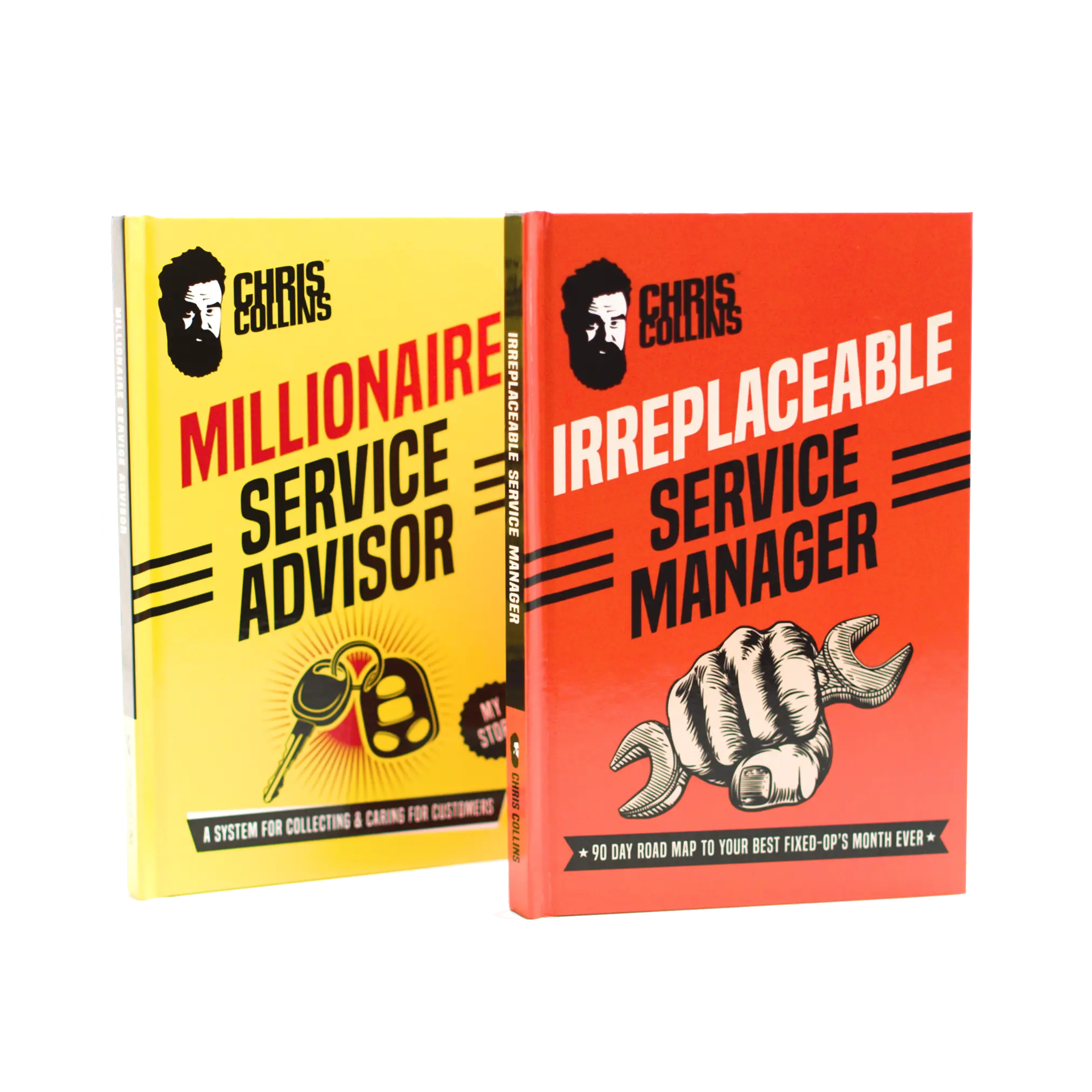
Achieving and exceeding your goals is possible when you have the right systems in place. With Service Drive Revolution OnDemand, you’ll gain access to the proven systems that have made thousands of SERVICE MANAGERS IRREPLACEABLE. Start transforming your department today!
Need help updating your playbook? Let us know how we can support your team’s growth.
Book a 15-minute strategy session with our team. We’ll explore how to unlock your dealership’s real value.