Too many dealerships see their sales teams miss targets, turnover rise, and training fall flat. Most often, management just relies on quick fixes or one-off motivational talks, leaving employees unclear on daily expectations. Such a lack of consistent guidance creates confusion, bad habits, and prevents real progress.
Now dealership coaching bridges that gap. Instead of managing from a distance, coaching provides daily structure, hands-on support, and clear accountability. Salespeople can get purposeful feedback, practical direction, and managers stay connected to both their teams and goals. This approach not only lifts performance and strengthens communication. It builds a team that’s ready for long-term success!
If you’re looking for practical tips to transform your dealership staff and leadership, stay with us. In this article, we will break down how dealership coaching makes a difference and share strategies you can use right now.
Key Takeaways
- Promoting top performers into management without proper leadership training creates a critical capability gap.
- Traditional management focuses strictly on numeric metrics, whereas coaching prioritizes long-term employee development.
- High turnover costs and shifting worker expectations have made outdated, command-and-control management styles ineffective.
- Active coaching builds independent problem solvers through collaborative goal-setting and open communication.
- Leadership development must be a permanent, continuous infrastructure tied directly to staff retention metrics.
- External automotive consultants help dealerships adapt to digital-first buyers and accelerate overall profitability.
Understanding the Capability Gap in Dealerships
Dealership performance metrics often hide a deeper issue within the supervisory ranks, where technically gifted employees struggle to guide their departments. Such a disconnect creates an invisible structural bottleneck that hurts both staff morale and long-term profitability.
● Promotion Trap
Most dealership leaders earn advancement by proving themselves as elite individual performers. The top salesperson becomes the sales manager, the most efficient technician gets promoted to service manager, and the highest-producing finance officer steps into a director role. Dealership owners frequently hand these individuals a team and expect natural leadership, which rarely happens because the skills required to navigate personnel development differ from those required to close a deal or diagnose a vehicle.
● Hidden Skill Gap
The advanced technical capabilities needed to structure complex financial transactions or fix modern powertrains do not translate into the emotional intelligence needed to guide a team. New managers routinely encounter scenarios they are entirely untrained to handle, such as conducting development conversations with struggling employees or resolving deep-seated team dysfunction.
● Default Approach
Due to a lack of formal, structured leadership training, new supervisors default to the only management style they know. They focus on directing isolated tasks, auditing baseline performance metrics, and hoping their personnel figure out interpersonal dynamics independently. This hands-off approach fails to build the long-term employee capability required to sustain a healthy operation. Left unaddressed, these leadership deficiencies can quickly compound into some of the service managers’ biggest mistakes, stalling departmental growth.
Coaching vs. Managing (What Is the Real Difference?)
Balancing operational supervision with active professional mentorship is crucial for sustaining peak departmental performance over time. While daily metrics keep a shop organized, dedicated personnel development keeps the organization profitable.
● Managing is About Numbers; Coaching is About People
Traditional management centers heavily on daily outputs, strict transactional goals, and numeric tracking systems. Coaching looks beyond immediate production to prioritize personal development, workplace trust, and long-term employee growth. Balancing both styles allows a shop owner to satisfy immediate operational demands while cultivating a highly motivated team that feels deeply invested in corporate success.
● When to Delegate Tasks
Highly effective leaders avoid micromanagement by distributing regular, everyday operational responsibilities based on individual strengths and current workloads. Delegating routine tasks empowers team members, giving them the breathing room to build confidence and take ownership of their specialized roles.
● When to Mentor Employees
Mentorship becomes necessary when an employee shows a desire to advance or struggles with a complex workplace challenge. Rather than stepping in to immediately solve every problem, a coaching leader takes the time to guide employees through structural hurdles, teaching critical thinking and building professional capabilities.
Why Old Management Methods No Longer Work
The automotive landscape has changed, meaning historical command-and-control management styles no longer yield positive business results. That’s why modern dealerships must update their corporate dynamics to fit a changing marketplace.
● Changing Worker Expectations
The modern workforce openly rejects sink-or-swim corporate environments. Contemporary employees expect regular performance feedback, clear career progression pathways, and active professional development from their direct supervisors. If these supportive elements are missing, workers will quickly exit the organization to seek employment elsewhere. In fact, comprehensive workplace surveys indicate that 28% of employees have quit a job specifically because of a negative relationship with their manager.
● Rapid Industry Changes
The fast-moving shift toward electric vehicles, digital car-buying platforms, and changing consumer habits requires teams to adapt rapidly. Leaders must possess strong change-management and coaching skills to successfully guide their people through these continuous technical and operational shifts.
● Data Exposes Weak Leadership
Modern employee experience surveys and data collection systems easily reveal exactly where internal leadership is falling short. When dealerships review anonymous satisfaction data, the results frequently show that widespread team frustrations stem directly from managers who lack the skills to support them. This aligns with broader workforce trends, with Gallup data showing that only 21% of employees strongly agree they can trust the leadership in their organization.
How Coaching Builds a Better Dealership Culture
Transitioning to a collaborative culture creates a positive feedback loop that improves internal operations and customer satisfaction. A supportive environment transforms standard employees into proactive business partners.
● Creating Independent Problem Solvers
Implementing an active coaching framework encourages employees, particularly service technicians, to think critically and resolve issues independently. This sense of professional empowerment transforms technicians into confident problem solvers, which speeds up daily operations and boosts customer satisfaction.
● Boosting Personal Investment
When employees see that their leader genuinely cares about their personal progress and workplace well-being, they develop a deep sense of personal investment. They take pride in their technical execution, collaborate naturally, and feel personally accountable for the overall financial success of the dealership.
● Improving Employee Retention
Retaining skilled staff is vital for an automotive business. Cultivating a growth-focused, supportive corporate culture keeps overall employee morale high and significantly reduces costly personnel turnover. The impact on profitability is massive, according to the NADA Dealership Workforce Study. It reveals that the average dealership turnover rate sits at 42%, with non-luxury sales roles reaching an alarming 73%.
Furthermore, research indicates that each departing employee costs a dealership an average of $15,000 in lost productivity and hiring expenses, making retention a primary financial driver.
Actionable Coaching Steps for Leaders
Transitioning into a coaching leader requires changing daily communication habits. Supervisors can implement several direct strategies to build trust and accountability within their teams.
● Ask Questions Instead of Giving Orders
Shifting away from strict top-down commands toward open-ended questions encourages open workplace communication. This conversational adjustment invites team members to share valuable insights, uncovers operational roadblocks, and builds trust between managers and employees.
● Set Goals Together
Involving employees in the goal-setting process instead of dictating quotas creates shared alignment. Collaborative goal-setting fosters a deep sense of personal ownership, sparks workplace creativity, and gets employees excited about the dealership’s long-term vision.
● Celebrate Wins and Offer Helpful Feedback
Routinely praising both small wins and major achievements keeps motivation high across the department. When structural corrections are required, framing the performance feedback around professional growth rather than strict criticism keeps employees engaged and receptive to learning.
Making Leadership Training Permanent Infrastructure
To bridge the capability gap permanently, dealerships must treat leadership development as a permanent piece of business infrastructure rather than an isolated training event. Sustainable improvement requires continuous reinforcement and accountability.
● Moving Beyond One-Time Workshops
Attending an isolated leadership workshop rarely alters long-term managerial behavior. Leadership capabilities must be practiced consistently, reviewed regularly, and supported over time through sustained professional engagement.
● Connecting Leadership to Real Results
Dealership owners should treat leadership development like sales training, directly connecting programs to tangible operational outcomes. Management performance should be measured by whether trained supervisors actually improve employee retention rates and department satisfaction scores.
● Holding Leaders Accountable
A manager’s formal performance evaluation must look beyond simple daily operational metrics. Leadership reviews must hold supervisors accountable for how effectively they develop, engage, and retain their people over the long term.
Using Outside Experts to Boost Success
Dealerships looking to accelerate their growth can benefit significantly from partnering with external automotive consulting firms. Experienced consultants offer objective insights that help maximize internal stability, profitability, and customer retention.
● Role of Automotive Consultants
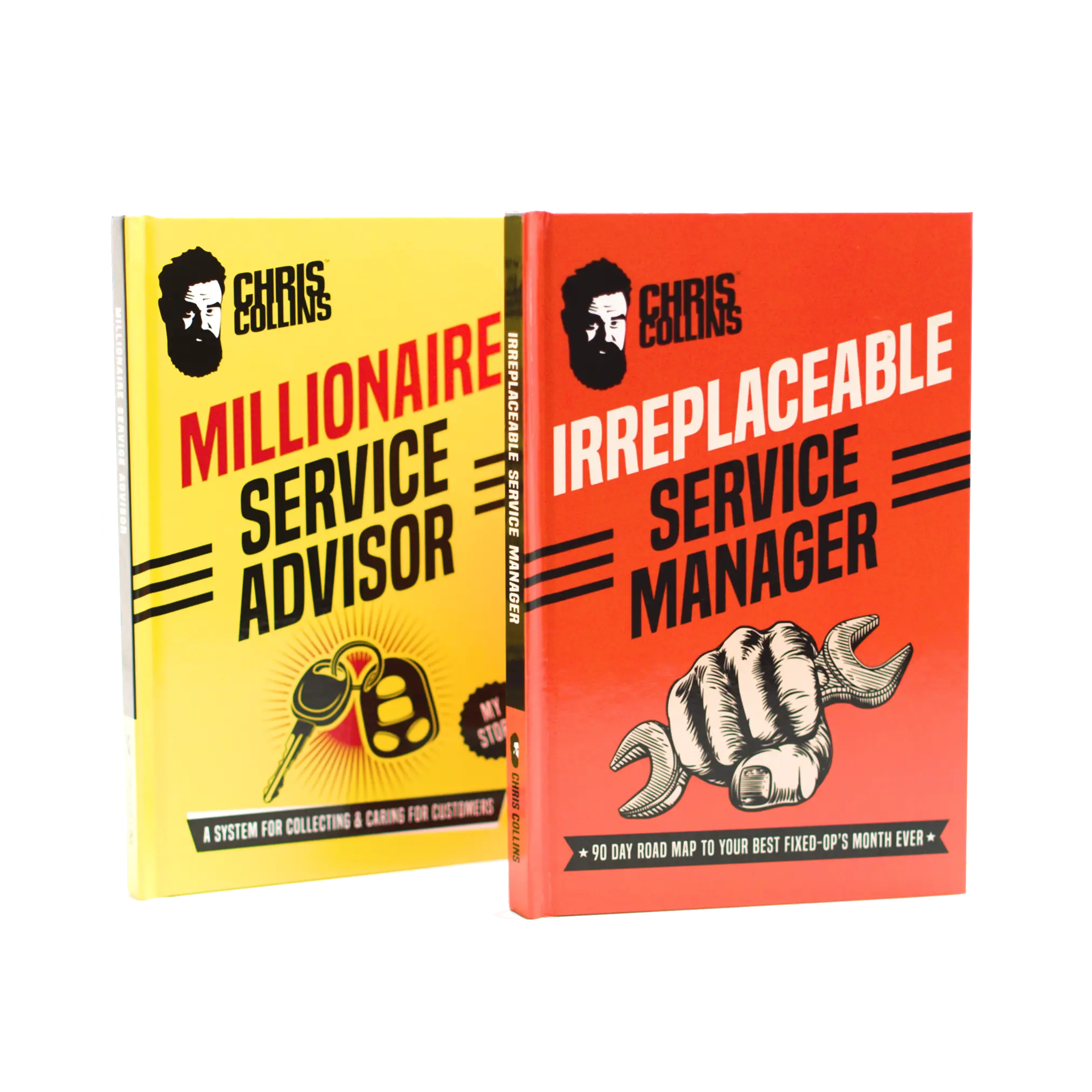
Experienced consulting experts like Chris Collins Inc. specialize in identifying operational weak spots, updating financial practices, conducting market analyses, and designing modern sales strategies. Their targeted recommendations streamline daily operations and help transform standard departments into high-margin profit centers.
● Adapting to Online Shoppers
Modern consultants assist dealerships in building effective internet marketing and operational strategies. This guidance helps teams serve internet buyers who thoroughly research vehicle details, repair rates, warranties, and customer reviews online before visiting the physical showroom. Navigating this landscape is essential, as data shows that 86% of automotive buyers research online before purchasing from a dealer.
● Maximizing the Investment
While hiring top-tier automotive consultants or highly experienced service advisors can require a significant upfront expense, it delivers excellent long-term value. Partnering with reputable, verified consultants speeds up business growth, improves the customer experience, and helps the dealership earn an optimal level of profit.
Frequently Asked Questions (FAQs)
A strong automotive dealership leader combines deep operational knowledge with a people-first mindset to drive sales and service excellence. They cultivate trust and accountability across all departments while remaining highly adaptable to shifting market trends.
Coaching enhances employee performance by providing real-time, constructive feedback tailored to individual sales or service techniques. This targeted guidance builds confidence, sharpens specific skill sets, and directly translates into higher customer satisfaction and conversion rates.
Unlike traditional management that relies on top-down commands and rigid quotas, coaching fosters a collaborative environment focused on continuous growth. This supportive approach dramatically reduces high employee turnover and inspires proactive problem-solving rather than fear-driven compliance.
Bottom Line
To sum it up, dealership coaching creates a culture where growth, accountability, and consistent performance are part of daily operations—not just a box to check during training sessions. Managers must prioritize coaching to ensure their teams receive the specific feedback and guidance necessary to thrive, ultimately driving better outcomes for the entire dealership. Coaching is pretty distinct because it gives your team the power to cultivate the practical habits and high-level skills needed to navigate the actual difficulties of the showroom floor. So, if this approach has sparked new ideas for your team, share these insights in your favorite social media channel. Follow us for more!
Achieving and exceeding your goals is possible when you have the right systems in place. With Service Drive Revolution OnDemand, you’ll gain access to the proven systems that have made thousands of SERVICE MANAGERS IRREPLACEABLE. Start transforming your department today!
Need help updating your playbook? Let us know how we can support your team’s growth.
Book a 15-minute strategy session with our team. We’ll explore how to unlock your dealership’s real value.