Most service departments run into the same roadblocks—missed opportunities, customers who don’t come back, and advisors who feel more like order-takers than trusted partners. When the focus slips to simply getting through the day, it’s easy for real relationships with customers to fall through the cracks and for sales to stall out.
Stepping up as a true advocate for both your customers and their vehicles will change the narrative. Adopting just a few key practices can already open the door to stronger relationships, better communication, and higher sales. So if you want practical, easy-to-implement strategies on how to be a better service advisor, just keep on reading. We will break down what sets great advisors apart and show exactly how you can level up your results. Let’s begin!

Key Takeaways
- Strong internal relationships with parts and technician teams speed up repair workflows.
- Dealerships offer factory expertise and OEM parts that protect long-term vehicle resale value.
- Daily preparation, vehicle walk-arounds, and visual diagnostic tools build immediate customer trust.
- Replacing technical jargon with simple explanations and digital photo evidence secures faster repair approvals.
- Service advisors grow their client base by updating contact info, texting, and pre-booking future visits.
- Tracking daily performance metrics and offering flexible payment plans maintain healthy profit margins.
- Top performers follow up within 48 hours, utilize slow periods, and treat all vehicles equally.
Winning Inside and Outside the Dealership
Success in the service drive requires a dual focus on internal teamwork and external competitive positioning. Effective advisors understand that their environment is a high-speed business where every minute impacts the bottom line.
● Build a Strong Internal Reputation
Speed in the service bay is often a direct reflection of the advisor’s relationship with the parts department and shop foreman. By building strong internal ties, you ensure that your workflow remains smooth and your customers receive their vehicles faster. Professional credibility inside the dealership dictates how quickly resources are allocated to your specific repair orders.
● Be the Technician’s Favorite
Becoming a favorite among technicians involves providing clear, accurate repair orders that eliminate guesswork and wasted time. When a master technician trusts your descriptions and customer data, they are more likely to pull your vehicles into the bays ahead of others. Accurate paperwork translates to higher efficiency for the entire shop.
● Highlight Dealership Advantages
Distinguishing a dealership from independent repair shops involves highlighting factory-trained experts and specialized tools local mechanics often lack. Emphasize that factory resources, combined with OEM parts, provide a level of precision and technological backing unavailable at smaller shops. Highlighting dealer advantages matters now more than ever, considering dealerships have lost 12% of service visits to independent competitors since 2018. A strong value proposition justifies the dealership’s labor rates.
● Focus on Vehicle Value
Shifting the conversation from price to value involves reminding owners that a documented dealership service history protects the long-term resale value of their vehicle. A complete main dealer service history can boost a vehicle’s resale value by up to 20%. Such a perspective helps clients view maintenance as a strategic investment rather than a mere expense. A vehicle with a clean, factory-certified record is far more attractive to future buyers.
Mastering the Daily Workflow
Transitioning from a simple order-taker to a professional consultant requires a disciplined approach to every customer interaction. High-performing advisors follow a rigid workflow that starts well before the first vehicle pulls into the service drive.
● Adopt a Results-Driven Mindset
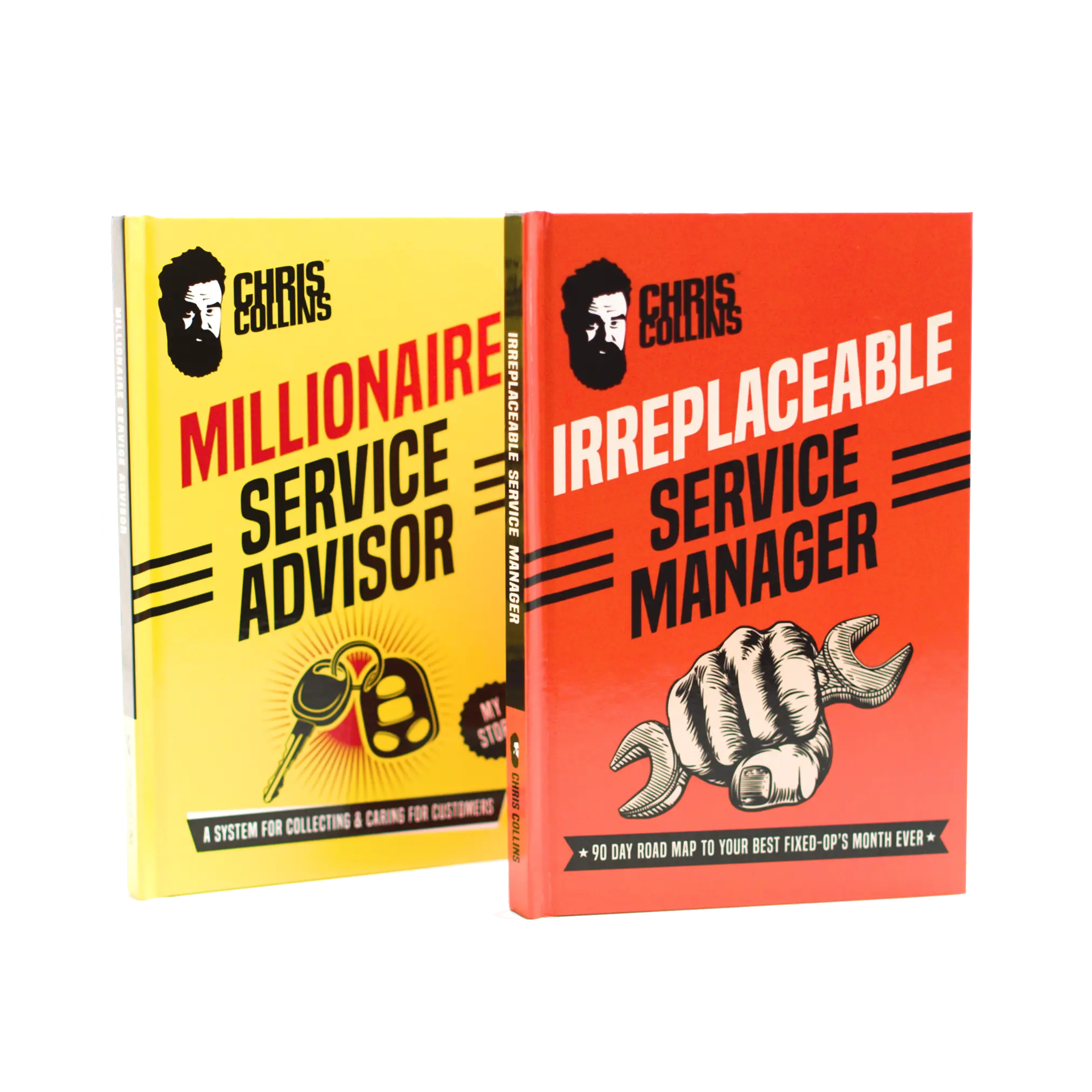
Industry figures like Chris “Bulldog” Collins teach service department employees how to overcome obstacles to profitability. He advocates for breaking down old processes and systems to build better frameworks. Pushing past the path of least resistance allows advisors to deliver consistent results.
● Prepare Before the Day Starts
Preparation begins each morning by reviewing the appointment log for open safety recalls or previously declined services. Checking for parts availability in advance prevents frustrating delays and allows you to provide confident, informed recommendations the moment a guest arrives. Organized preparation reduces stress for both the staff and the customer.
● The Power of the Walk-Around
Performing a thorough walk-around with the customer is a non-negotiable step for identifying immediate needs like worn tires or cracked windshields. This shared observation builds immediate trust because the client sees exactly what you see, making the consultation transparent. It is a vital moment to advocate for the vehicle’s health.
● Use Visual Tools
Utilizing visual tools such as battery testers and tire depth gauges provides physical evidence that removes the suspicion of unnecessary upselling. Presenting data-driven results in front of the customer makes the need for repair undeniable and professional. Transparency is reinforced when the guest can touch and see the diagnostic findings.
● Hold Technicians Accountable
Accountability guarantees quality, so advisors must question “green” inspection sheets on high-mileage vehicles. You cannot provide value if the technician fails to find legitimate maintenance needs during the Multi-Point Inspection (MPI) process. Discipline in the inspection phase directly influences the hours produced per repair order.
Better Communication Habits
Clear communication is the bridge that turns a technical diagnosis into a completed sale. Modern advisors must master the art of explaining complex issues in a way that empowers the customer to make informed choices.
● Ditch Technical Talk
Eliminating technical jargon is essential for maintaining a connection with the vehicle owner. For example, instead of mentioning a “torn CV boot,” explain that the rubber protective cover for the axle has a hole, which could lead to a much more expensive repair if ignored. Simple language makes sure that the client understands the risk of deferring work.
● Use Digital Proof
Leveraging digital proof, such as photos or videos of leaking components, is far more convincing than a standard phone call. Sending these visuals directly to a smartphone provides the transparency needed to justify the work and speeds up the approval process. Seeing a failing water pump often triggers an immediate “yes” from the owner.
● Ask Smart Questions
Asking insightful questions about a client’s future plans, such as upcoming road trips or how long they intend to keep the car, reveals the “why” behind their service needs. Understanding these motivations helps you tailor your recommendations to their specific lifestyle and budget. Active listening creates a personalized experience that fosters loyalty.
Keeping Your Customer Base Growing
Growth is not accidental. It is the result of meticulous data collection and proactive engagement. Building a loyal customer base requires moving beyond one-time transactions to foster long-term relationships.
● Update Contact Info Every Time
Verifying contact information during every visit ensures that your database remains a viable asset for marketing and communication. Never assume old phone numbers or emails are still accurate, as clean data is the lifeblood of customer retention. Accurate records prevent miscommunication and ensure digital inspections reach the right person.
● Get Texting Consent
Securing consent for text messaging significantly speeds up the repair approval process. Data reveals that SMS marketing boasts an incredible 98% open rate, compared to a mere 20% for email. Texting allows you to get answers quickly and move vehicles through the shop faster. Modern customers prefer the convenience of digital communication over traditional phone tag.
● Book the Next Visit Early
Scheduling the next appointment before the customer leaves can increase your retention rate. Always “pencil in” the next oil change or maintenance milestone to ensure the dealership remains their primary “home base” for all vehicle needs. Such a habit creates a predictable workflow for the service drive.
● Personal Outreach
Conducting personal outreach to “lost souls”—customers who haven’t visited in six months—separates you from generic automated emails. A direct phone call shows genuine care and can bring a wayward client back into the fold by addressing their specific concerns. Personalized attention is a bond that independent shops cannot easily break.
Tracking Performance and Sales
Measurement is the only path to improvement in the high-pressure environment of the service drive. Successful advisors track their daily numbers to ensure they are meeting production targets and maintaining healthy profit margins.
● Watch Your Metrics
Monitoring key metrics might include aiming for a target like 2.5 to 3.0 Hours Per Repair Order (HPRO). This goal measures your ability to identify and sell the work that a vehicle truly requires through thorough inspections. Tracking this daily helps you adjust your approach if you are falling behind your goals.
● Keep Prices Fair
Protecting the Effective Labor Rate (ELR) ensures that the department isn’t losing profit through excessive or unnecessary discounting. Staying within 5% of the door rate maintains the financial health of your “business within a business” and rewards your expertise. Consistency in pricing builds long-term trust with your clientele.
● Overlapping Labor Savings
Highlighting “overlapping labor” through the “while we are in there” strategy makes additional repairs logically appealing to the customer. If a technician is already performing a timing belt replacement, the labor for a water pump is often reduced, offering the client real savings. Pointing out these efficiencies demonstrates that you are looking out for their wallet.
● Offer Payment Plans
Providing service financing options can turn a “no” into a “yes” for large, necessary repairs. Breaking a major expense into manageable monthly payments helps customers prioritize safety without immediate financial strain. That level of flexibility makes the dealership more accessible for high-ticket maintenance items.
Staying Consistent Every Day
The true test of a top-tier advisor is how they handle the quiet moments and the routine tasks. Consistency in execution is what ultimately separates the industry leaders from the average order-takers.
● Work During Slow Times
Utilizing slow periods to follow up on declined services from previous weeks demonstrates a commitment to professional growth. While average advisors might browse the internet when the drive is quiet, great advisors are on the phone, checking on parts orders or reconnecting with clients. Productivity during downtime builds a stronger book of business.
● 48-Hour Rule
Adopting the 48-Hour Follow-Up Rule allows you to catch small issues before they escalate into negative online reviews. Checking in to see if the car is performing well and if the invoice was clear builds immense trust and loyalty. It might seem like a small gesture, but it confirms that your care extends beyond the initial transaction.
● Treat Every Car the Same
Treating every vehicle with the same level of scrutiny, whether it is a brand-new luxury model or an older high-mileage car, builds a lasting reputation. Professionalism should never depend on a customer’s appearance or the age of their vehicle. Consistency guarantees that every guest feels like your most important client.
● Maintain a Clean Desk
Maintaining an organized and clean workspace reflects a professional attitude and builds customer confidence in the service department. Tidy waiting areas and organized digital records show that you take pride in every detail of the operation. Good housekeeping is a visual cue that the dealership handles vehicles with similar care.
Frequently Asked Questions (FAQs)
Top service advisors stand out by actively listening to customers and building deep trust before recommending any repairs. They explain mechanical issues in simple terms to empower vehicle owners to make confident decisions.
Great service advisors practice daily follow-ups to keep every customer updated on vehicle repair progress. They prepare for upcoming appointments by reviewing service histories beforehand to provide immediate and accurate recommendations.
High-performing advisors conduct complete vehicle walk-arounds with the customer to physically point out immediate needs. They present good, better, and best repair options to let the customer choose a solution that fits their budget.
Consistent service advisors build a reliable reputation by following the exact same greeting and inspection process for every single customer. Predictable, high-quality service turns first-time visitors into lifelong clients who refer their friends and family.
Bottom Line
Indeed, mastering how to be a better service advisor is all about combining genuine customer care with a strong understanding of your role as both a consultant and a sales professional. When you show appreciation, communicate with confidence, and remain focused on the benefits your services provide, you set yourself apart in a crowded market. Delivering a consistent, high-quality customer experience helps you build lasting relationships and drive success for your dealership. If you found these strategies helpful, feel free to share this article with others in your network. Stay tuned for more insightful content!
Achieving and exceeding your goals is possible when you have the right systems in place. With Service Drive Revolution OnDemand, you’ll gain access to the proven systems that have made thousands of SERVICE MANAGERS IRREPLACEABLE. Start transforming your department today!
Need help updating your playbook? Let us know how we can support your team’s growth.
Book a 15-minute strategy session with our team. We’ll explore how to unlock your dealership’s real value.