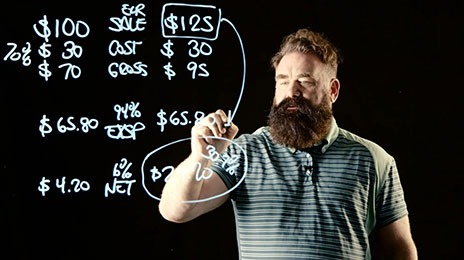
Numbers never lie in the service lane. Service departments run on strict metrics like labor efficiency, menu adoption, and retention. The environment operates as a high-velocity ecosystem filled with customers, technicians, and constant micro-decisions. When managers lack the right traits, they build a culture that pushes away accountability and improvement. Cratering metrics usually point to a leadership personality gap rather than a gap in service knowledge.
Exceptional fixed operations leadership can change the entire dynamic. Leaders who combine low ego with high standards own their mistakes and give credit to their teams. They show high emotional intelligence in handling upset customers and diffusing tension. A coachable mindset turns mistakes into data, creating a system that solves problems rather than hides them.
Keep reading to see which specific traits push a service department forward and which common habits quietly kill progress. Let’s get started!

Key Takeaways
- Effective managers rely on humble confidence, high emotional intelligence, and adaptability to drive team success.
- Toxic leadership behaviors, such as acting like a dictator or avoiding conflict, actively damage workplace culture.
- Leaders prevent dangerous overconfidence by actively listening, inviting honest feedback, and testing their assumptions.
- Admitting mistakes and learning from failures builds trust and creates a safe environment for teams.
- Modern industries require adaptable management approaches like visionary or coaching methods, while rigid tactics destroy morale.
Leadership Traits That Drive Success
The performance of a service department often depends on the manager’s character rather than just technical knowledge. Effective leaders possess specific qualities that help the entire team improve and reach new goals.
● Humble Confidence
Great managers keep high standards while controlling their egos. Leaders look in the mirror when results fall short and look out the window when the team succeeds. A humble leader takes ownership of mistakes without drama, saying things like, “That one’s on me. Here’s what we’re changing.” Giving credit quickly and publicly builds trust, while upholding standards quietly keeps the operation moving. The store needs to win, rather than one person acting like a hero. Ego makes everything political, whereas humility makes the team coachable.
● High Emotional Intelligence
The service lane involves constant stress from upset customers, dispatch tension, and warranty battles. Managers must exhibit strong self-awareness and self-management to survive the friction. According to TalentSmart, 90% of top performers possess high emotional intelligence, proving it stands as a major driver of career success. Social awareness helps leaders manage relationships effectively and keep the peace.
● A Desire to Learn
Strong managers remain curious and view problems as systems needing fixes, not individuals needing blame. Good managers ask better questions than the answers they provide. Treating mistakes as data helps enforce accountability without creating resentment. Inviting bad news early helps identify broken processes before the damage spreads.
● The “Ideal Team Player” Trio
Patrick Lencioni’s model highlights being humble, hungry, and smart as a shockingly accurate hiring filter. Humble means not focusing on status or protecting a personal image at the expense of the operation. Hungry refers to self-motivated individuals who push the scoreboard forward without being pushed by someone else. Smart involves good judgment in human interactions and the ability to confront issues without making enemies. The combination predicts alignment across the entire department, uniting high-performing service advisors, technicians, and parts staff.
● Adaptability
Growth requires changing strategies around pricing, dispatch discipline, and staffing plans. Automotive fixed operations consulting expert Chris “Bulldog” Collins stresses that breaking down outdated frameworks and establishing consistent processes help service departments overcome operational obstacles. Good managers build a shared purpose to move everyone in the right direction without causing panic. Direction must be communicated repeatedly to ensure clarity. That goes hand in hand with building a coalition to make sure every department rows together toward a common goal.
Personality Types That Hurt the Team
Certain behaviors quietly damage department culture and push away accountability, coaching, and improvement.
● The “Alpha” Leader
A manager who must always be right forces staff to hide problems. Technicians and advisors stop bringing new ideas to the table when the boss acts as the sole expert. Processes fail to improve since the truth gets filtered before reaching the top.
● The Overly Nice Leader
Dodging conflict makes standards optional across the shop. Top performers resent the absence of consequences for bad work. The culture drifts toward mediocrity as issues multiply unchecked. Holding the line while keeping relationships intact requires emotional intelligence, not just niceness.
● The Disengaged Leader
A manager acting on autopilot sends a powerful message that the department is not a priority. Advisors feel unsupported during difficult customer conversations, and technicians feel invisible. Small breakdowns compound quickly because no one watches the system in real time. Morale drops quietly, pulling performance down with it. Consistent physical presence equals alignment, ensuring the staff feels supported and accountable.
● The “Hero” Mentality
A lone-wolf manager fixes everything personally, completely blocking department development. Bottlenecks form around a single individual, and coaching fails to scale. Establishing proper systems in fixed ops leadership prevents the department from relying on informal habits. Growth requires scaling through others instead of just executing tasks alone.
● The Dictator
Authoritarian leadership relies on excessive control, distrust of delegation, and rigid decision-making. Micromanaging advisors and second-guessing technicians slows productivity. Responding to errors with punishment instead of coaching lowers morale and increases turnover. The manager becomes trapped in daily details instead of driving strategy. Control creates burnout and fear-driven performance, stunting creativity.
Avoiding the Trap of Overconfidence
Confidence helps professionals win opportunities and inspire peers to follow a vision. When confidence turns into overconfidence, judgment clouds, and trust weakens across the board.
● Spotting the Signs
Overconfidence appears in subtle ways, like interrupting meetings or brushing off feedback. Setting overly ambitious timelines without checking resources is a massive warning sign. Talking more than listening, assuming past success guarantees future results, and dismissing questions quickly indicate a serious problem. Believing you can wing it instead of preparing is extremely dangerous.
Ignoring data that contradicts preferred narratives shows a massive blind spot. Underestimating risks while focusing only on rewards signals an issue. According to new research out of HEC Paris, 83% of business decisions rely on very optimistic assessments of a leader’s own attitudes. People tend to be overconfident when handling unknown situations.
● Listening to Ground Yourself
Caught up in personal ideas, a manager might tune out peers and superiors. Active listening serves as a powerful method to stay grounded. Ask direct questions and give full attention to the answers instead of waiting for a turn to speak. Resist the urge to cut people off or steer the conversation back to a personal perspective. Practicing active listening creates a safe environment for the whole group. Employees will share doubts without fearing being ignored, allowing the team to lean on each other’s strengths.
● Encouraging Honest Feedback
Overconfidence thrives in silence. Building a culture of healthy pushback keeps ego in check and ensures one voice does not guide every decision. Invite opposition by asking the team to point out anything causing hesitation. Ask the group to explain why an idea might fail. Request help identifying overlooked risks to challenge existing perspectives. Never punish employees for providing opinions or pushing back. Data from Salesforce reveals that employees who feel their voice is heard are 4.6 times more likely to feel empowered to perform their best work. Thanking staff for challenging perspectives reinforces courage and proves questioning authority is not disloyal.
● Testing Assumptions
Acting on untested assumptions presents a huge danger. A manager might believe a market will embrace a new product without solid proof. Verifying assumptions requires asking what evidence supports the idea. Ask how the plan might fail and what data is missing. Encourage the team to poke holes in any strategy, perhaps selecting a few employees to act as critics. Use pilot programs before going all in to avoid unnecessary setbacks.
● Learning From Failure
Mistakes happen occasionally, no matter how careful a person is. Overconfident managers get defensive and shift blame to the market or circumstances outside their control. Take responsibility for missteps to set a good example for the team. Minimizing mistakes quietly allows errors to repeat in the future.
Always reflect on what went wrong and identify missed signs or failed assumptions. If possible, share lessons with the team to show accountability matters more than blame. Honesty about missteps reflects integrity and helps build an organizational culture where acknowledging problems feels safe.
Choosing the Right Leadership Style
The auto industry faces large obstacles like discerning consumers, tight regulations, and hot competition. That being said, such fluid industry landscapes require flexible and adaptive management styles to quickly shift focus from operational challenges to strategic design.
● Effective Approaches
- Visionary: This style sets a strong goal using a “come with me” approach. The manager allows the team to choose the best way to achieve the goal. It gives employees a great amount of autonomy to choose their own methods. It works great for teams with high expertise lacking clear direction, but it might not suit training fresh team members.
- Democratic: A bottom-up style that focuses on giving workers a voice in company-wide decisions. It represents a dynamic, highly adaptive method that dramatically increases an organization’s flexibility and ability to innovate new ideas. Giving everyone a voice appeals strongly to women seeking careers in the auto industry. Giving every employee an equal voice can lead to longer and more frequent meetings.
- Coaching: A people-focused method that emphasizes personal development over broader work-related goals. It works great for fresh employees desiring improvement and who remain receptive to feedback. The style builds up workers lacking confidence and cultivates a welcoming atmosphere supportive of women in the auto industry.
● Styles to Use Carefully
- Affiliative: This “people come first” style offers autonomy and helps create team harmony. Managers work with the team as colleagues, focusing on positive feedback and collaboration. Using it exclusively can allow poorly performing workers to slow team progress.
- Pacesetting: The manager sets high standards and exemplifies them. The mantra is “Let’s do it right now!” Such a method works very effectively for competent employees with a strong sense of self-motivation. Workers less passionate about the industry can feel overwhelmed by the demanding nature.
- Coercive: The traditional “top-down” approach translates to “Just do what I say”. This represents the least effective style today. Coercive methods prove inherently inflexible and harm employee morale and motivation. It acts as a predominantly masculine style, whereas most women in leadership lean towards other methods to greater effect.
Frequently Asked Questions (FAQs)
Emotional intelligence gives managers the ability to calm upset customers and support overworked technicians. Leaders apply empathy to build team trust and resolve daily repair schedule conflicts.
Collaborative leadership unites service advisors and mechanics to speed up the daily repair process. Moreover, teams usually share information openly to reduce vehicle wait times and finish jobs accurately on the first visit.
Managers damage fixed operations growth when they micromanage experienced technicians and ignore feedback from frontline service advisors. Focusing purely on short-term profits causes high employee turnover and decreases overall customer satisfaction.
Bottom Line
Indeed, a strong fixed operations leadership is about more than hitting key performance metrics. It’s about building a culture that values accountability, growth, and learning from mistakes. The leaders who thrive in this space combine humility and confidence, seek diverse perspectives, and set the tone for their team’s success. If this resonates with you, share these insights with others in your network. Together, we can build stronger teams and create lasting impacts in the automotive industry.
Achieving and exceeding your goals is possible when you have the right systems in place. With Service Drive Revolution OnDemand, you’ll gain access to the proven systems that have made thousands of SERVICE MANAGERS IRREPLACEABLE. Start transforming your department today!
Need help updating your playbook? Let us know how we can support your team’s growth.
Book a 15-minute strategy session with our team. We’ll explore how to unlock your dealership’s real value.